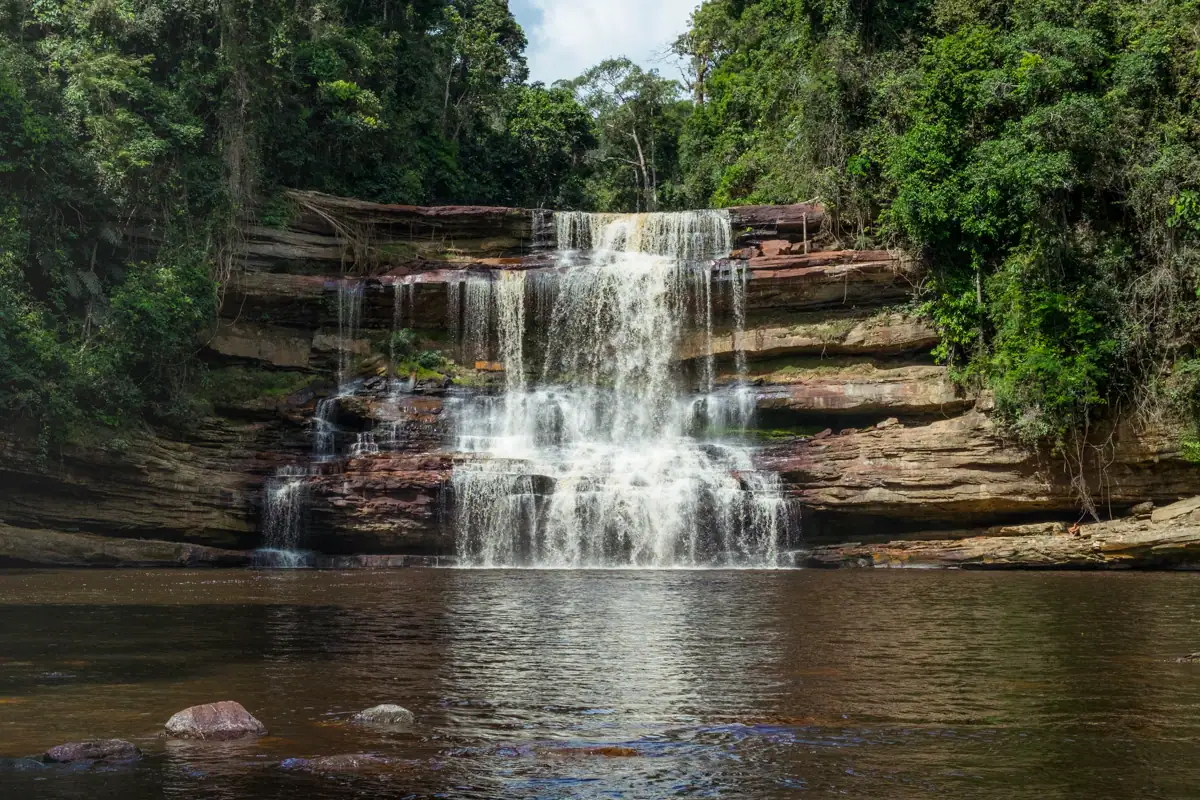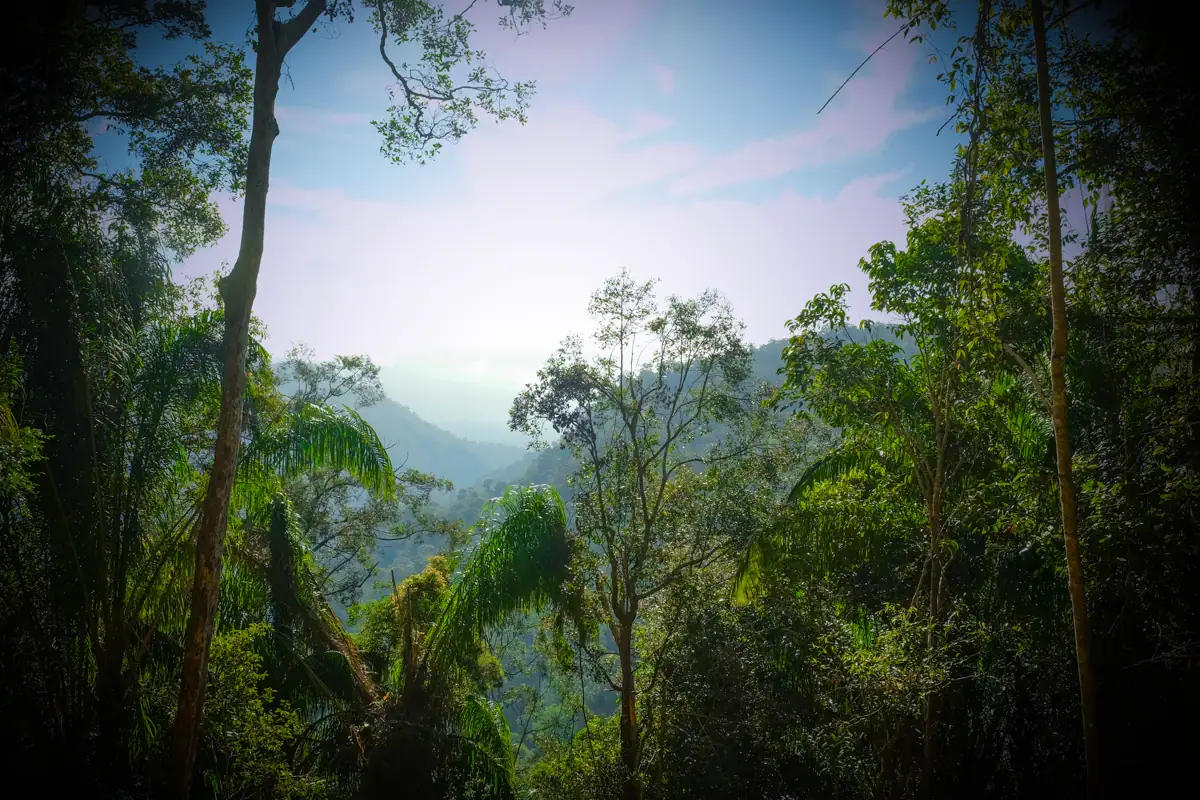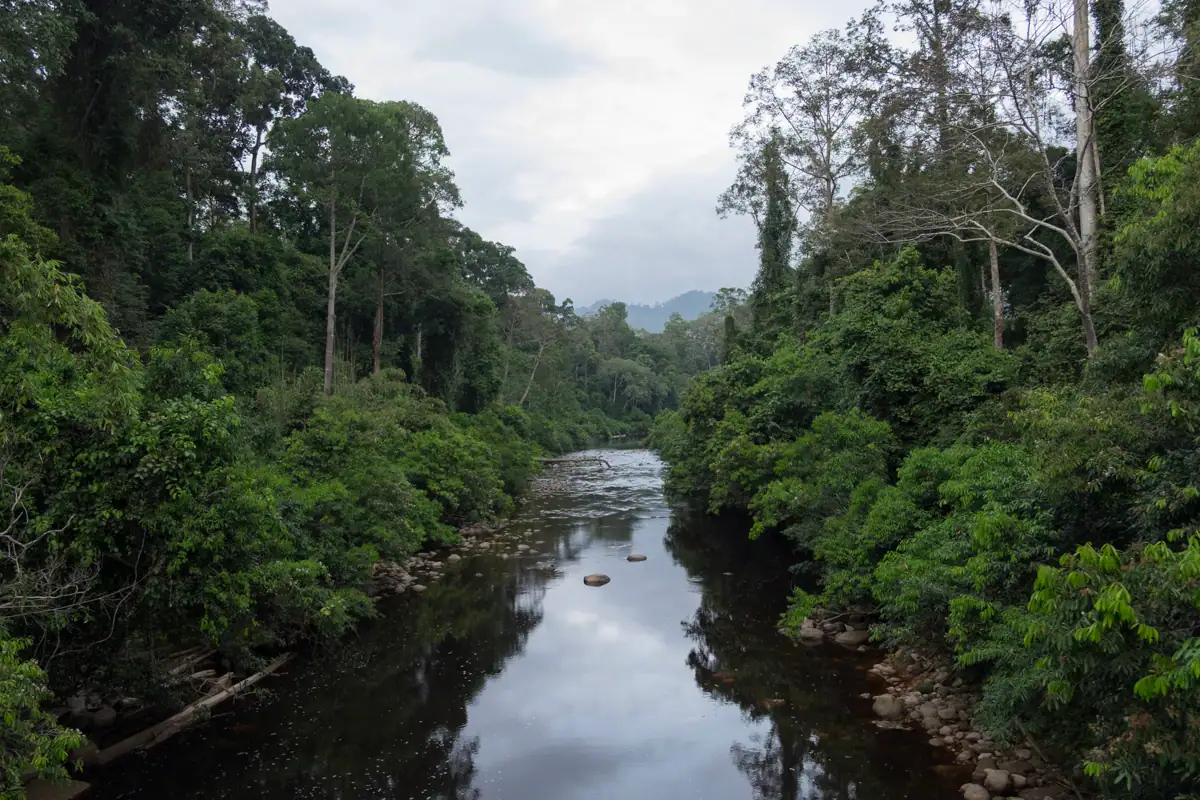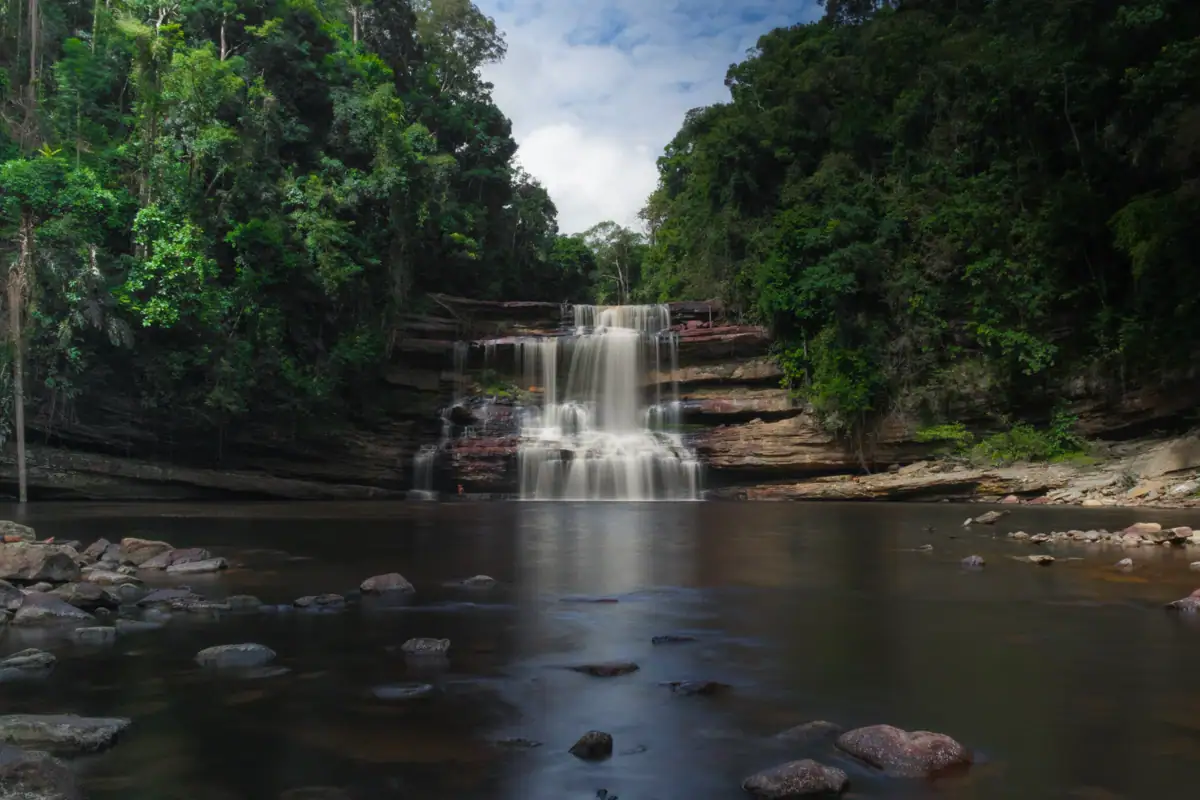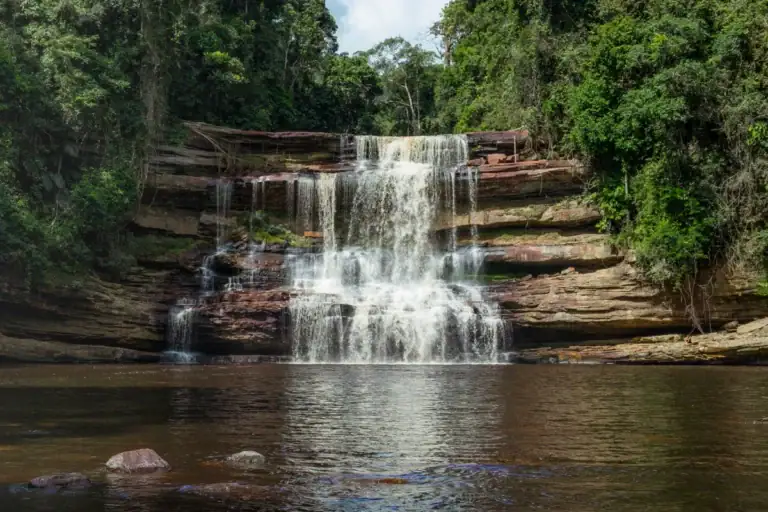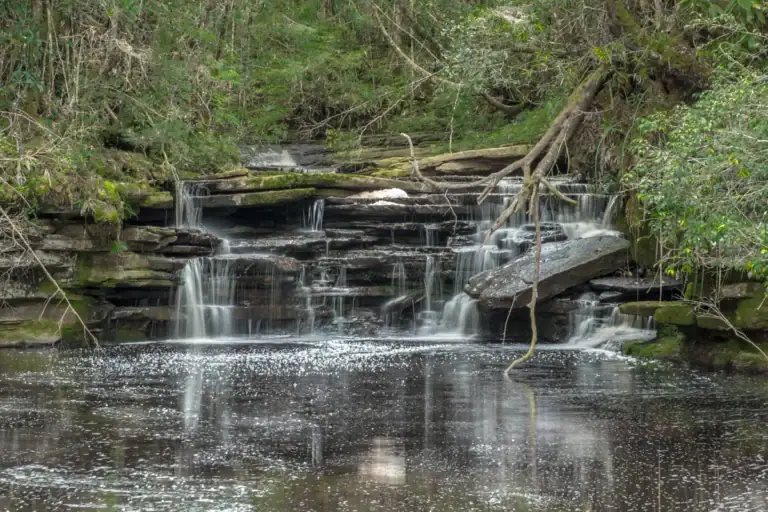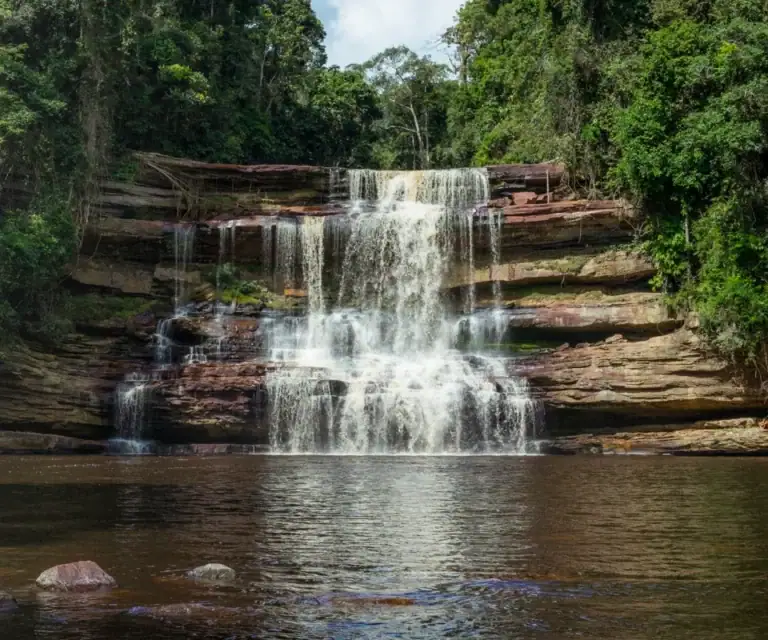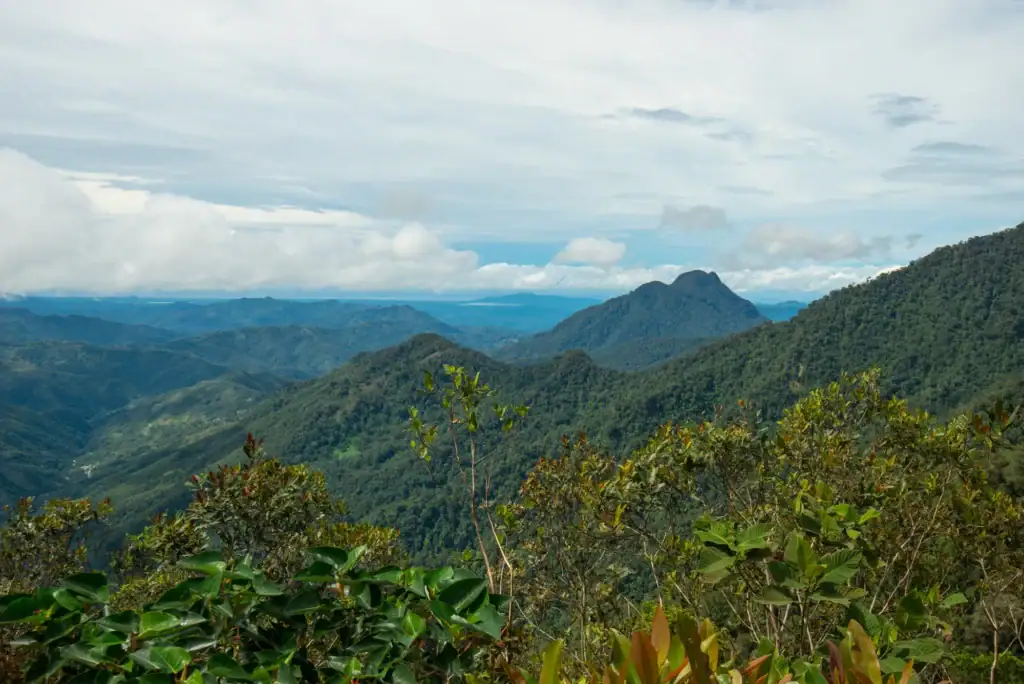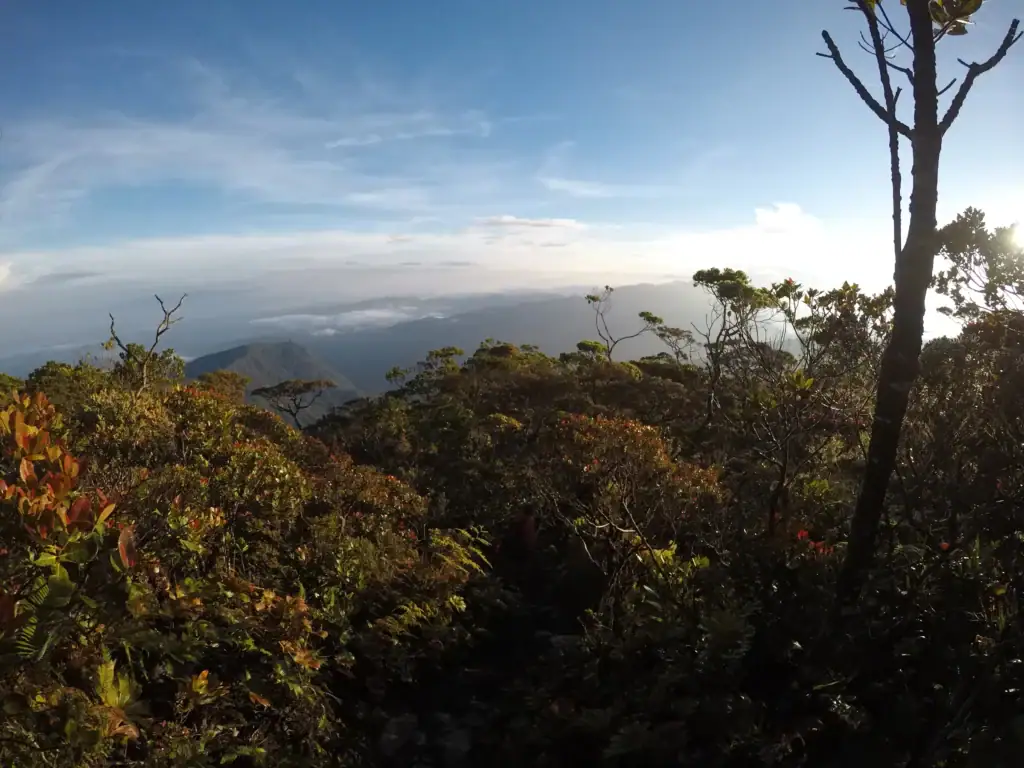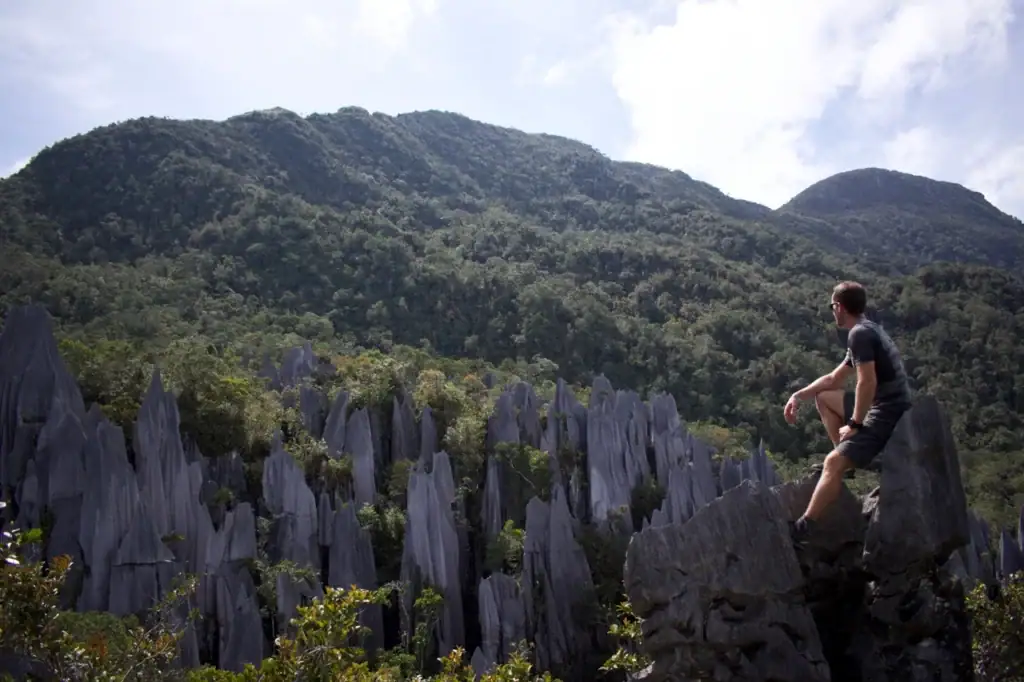
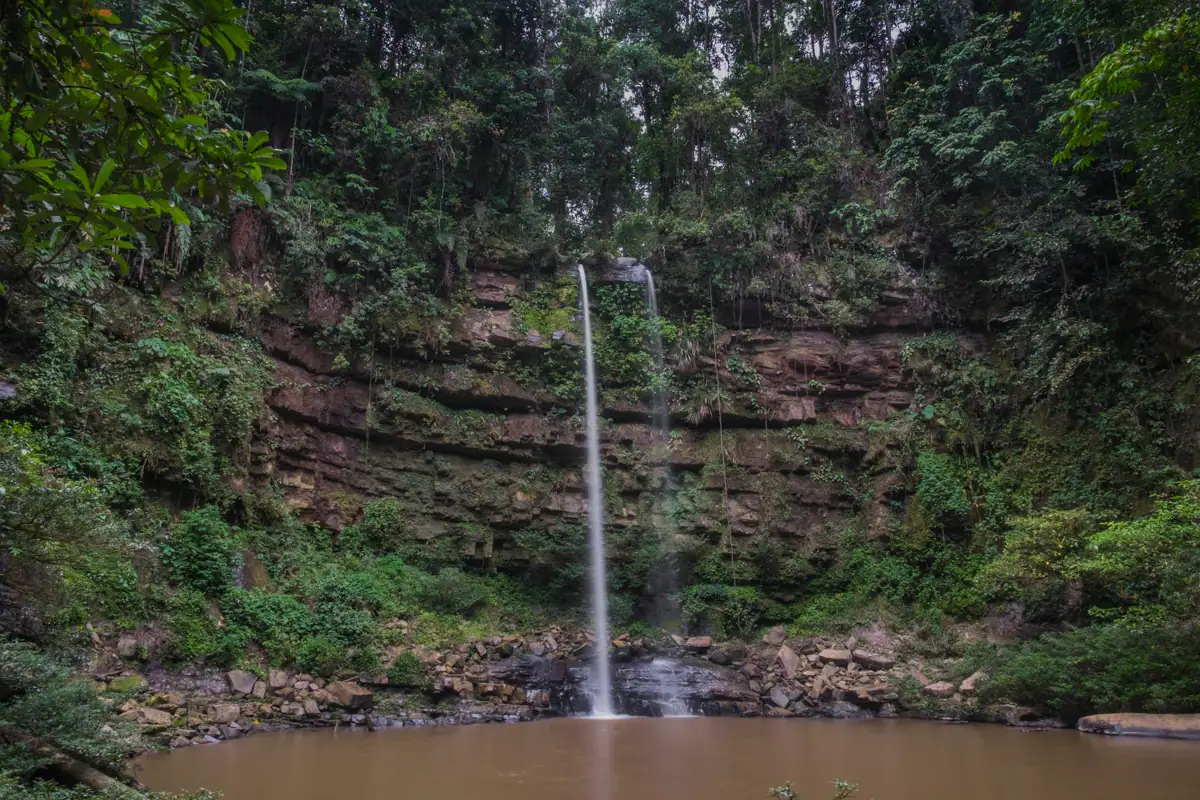
Maliau Basin, often called Sabah’s “Lost World”, is one of Borneo’s most remote and least-visited rainforest destinations. The protected basin contains extensive areas of old-growth rainforest, waterfalls, rivers and a remarkable diversity of plants and wildlife.
Unlike Sabah’s better-known wildlife destinations, Maliau Basin is primarily about exploring remote rainforest on foot. Trails lead through different forest types and elevations, with opportunities to discover waterfalls, pitcher plants, giant trees and a variety of birds, mammals, reptiles and amphibians.
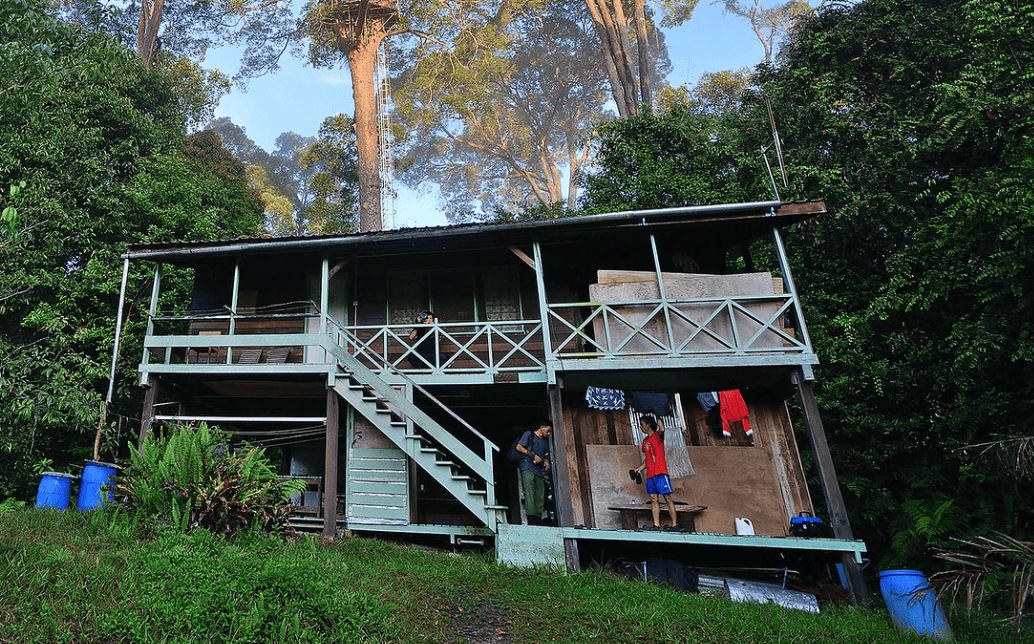
Maliau is also an important centre for rainforest research and conservation. The Maliau Basin Studies Centre provides a base for researchers, conservationists and visitors exploring the area.
Things to do in Maliau Basin
The main activity in Maliau Basin is jungle trekking. Trails around the Studies Centre and the satellite camps take you deep into the rainforest, with challenging terrain, steep sections and muddy or slippery conditions depending on the weather.
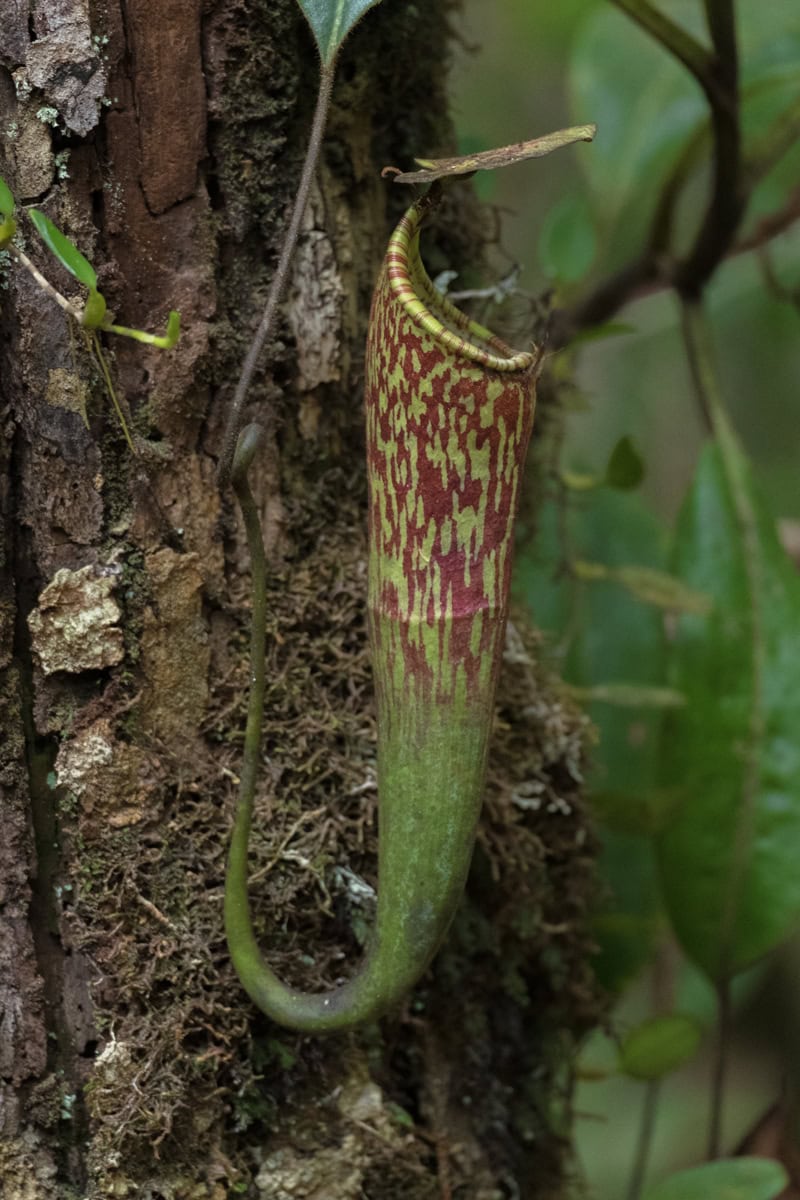
The trekking experience can include visits to waterfalls, viewpoints and areas of particularly rich plant diversity, including the Nepenthes pitcher plants for which Sabah is famous.
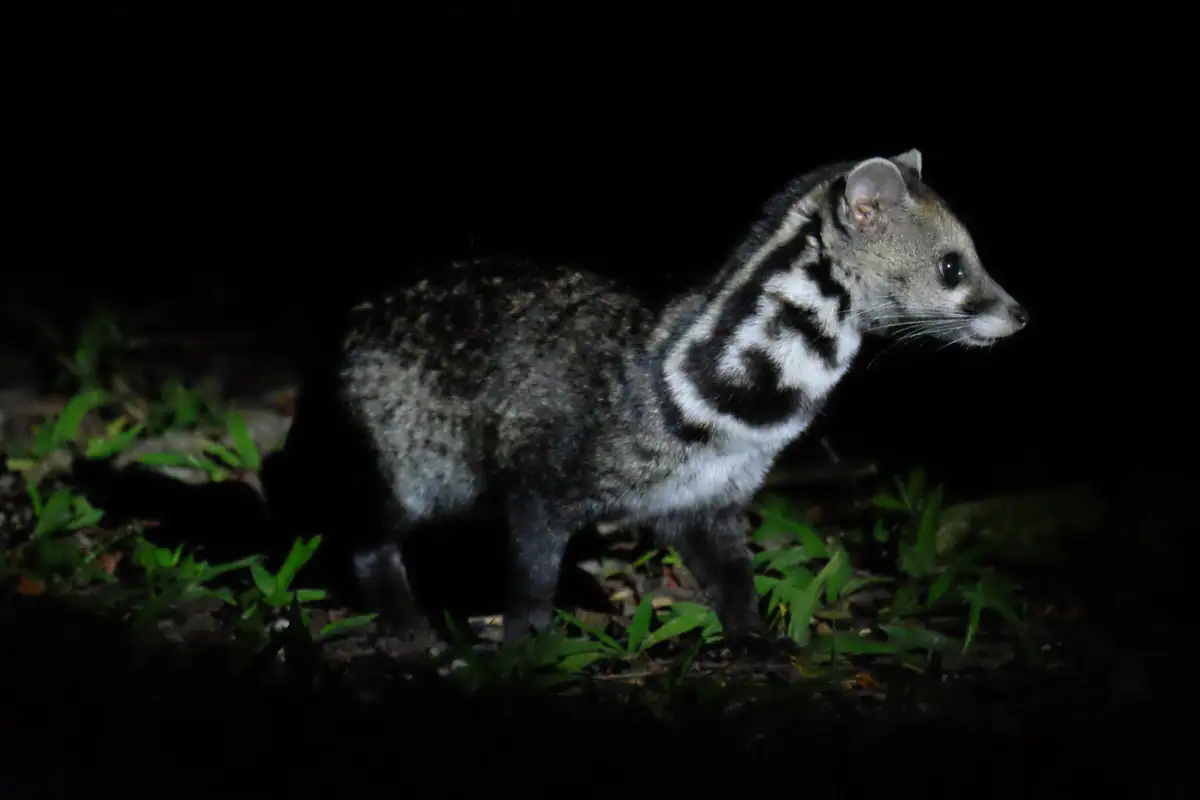
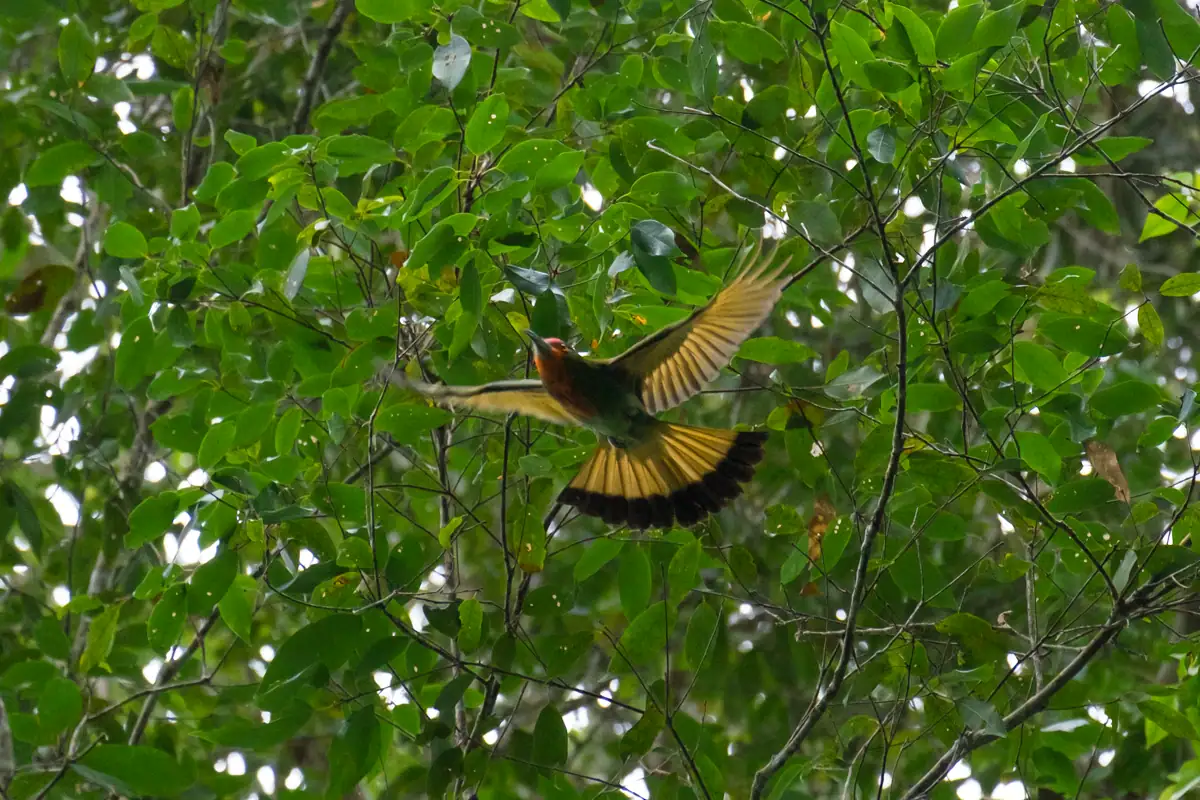
Wildlife can be encountered along the trails, although Maliau is not primarily a destination for guaranteed wildlife sightings. The emphasis is on experiencing a remote rainforest ecosystem that receives relatively few visitors.
Depending on your itinerary, you can stay at Nepenthes Camp and Ginseng Camp, allowing you to travel deeper into the basin and experience nights in basic jungle camps. These camps form part of the network of field stations connected by trails through the conservation area.
Where to stay?
Accommodation in Maliau Basin is simple and designed around the trekking experience rather than comfort.
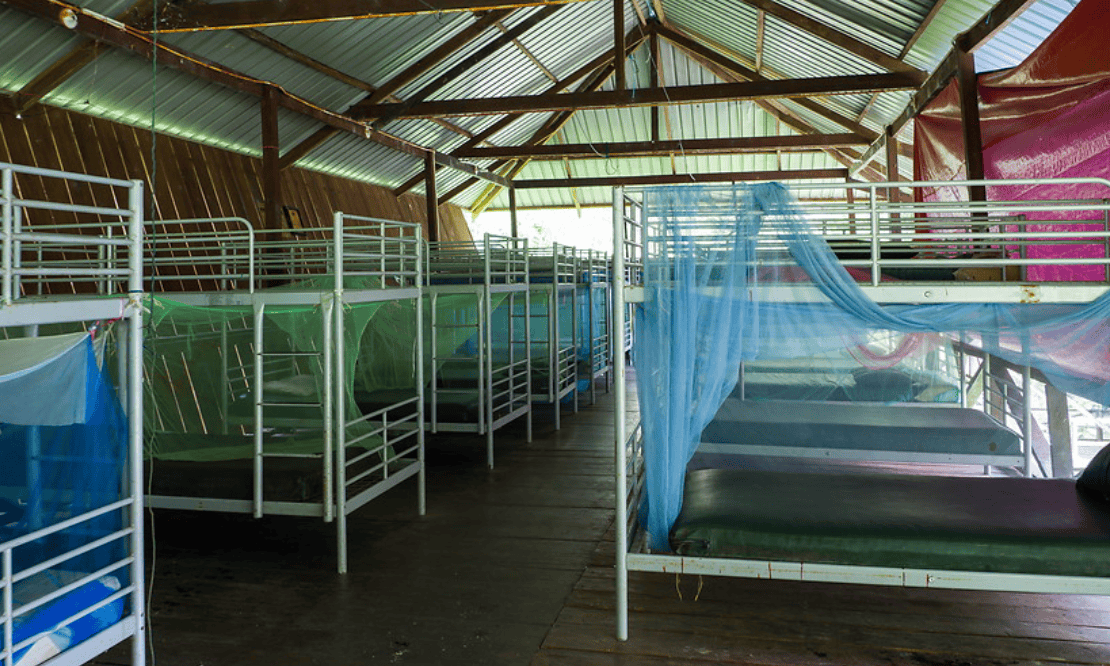
Your first night is normally spent at the Maliau Basin Studies Centre, where standard rooms are available. During the trek, accommodation is provided at satellite jungle camps such as Nepenthes and Ginseng, where facilities are basic and dormitory-style.
There are no luxury resorts inside Maliau Basin, so visitors should be prepared for a genuine jungle experience.
How long should you stay in Maliau Basin?
River Junkie’s Maliau Basin trips are available as 4D3N or 5D4N trekking adventures.
A 4D3N trip provides a challenging introduction to the basin, while the 5D4N itinerary allows more time on the trails and deeper exploration of the rainforest. Typical trekking days can involve around 9km of walking over difficult terrain, so the number of days is determined as much by the nature of the experience as by the distance covered.
Who is Maliau Basin recommended for?
Maliau Basin is best suited to fit and adventurous travellers who enjoy trekking and remote wilderness experiences.
The terrain can be steep, muddy and slippery, and trekking takes place in hot and humid conditions. Accommodation in the jungle camps is basic, with no private rooms, so Maliau is not the right choice for travellers looking for a comfortable rainforest lodge.
If your priority is seeing as much wildlife as possible, Kinabatangan, Danum Valley or Tabin may be more appropriate. Maliau is better suited to travellers whose priority is getting deep into a remote and largely untouched rainforest environment.
Planning your trip to Maliau Basin
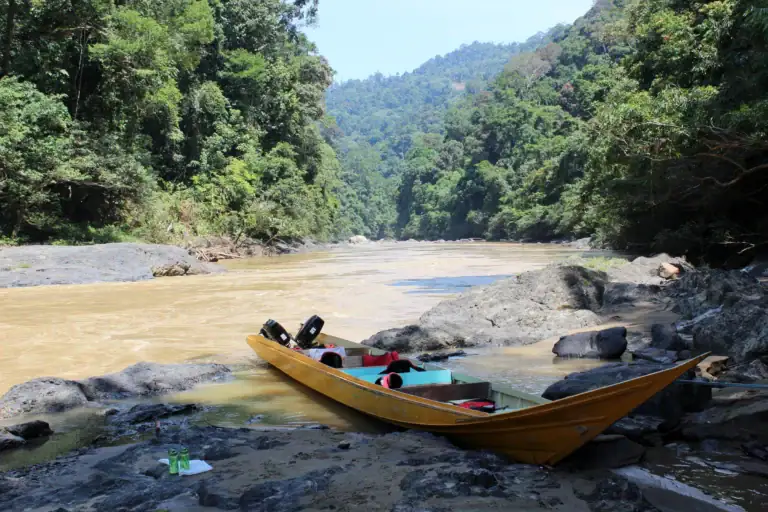
Maliau Basin is one of Sabah’s more remote destinations and requires advance planning. Access, accommodation and ranger arrangements need to be organised before travelling, and trips operate with a guide and Maliau Basin forest ranger. You must also have insurance that covers you for helicopter evacuation in case it becomes necessary.
Maliau works particularly well as a standalone adventure from Kota Kinabalu or combined with a trip to Sapulot.
If you’re looking for a challenging rainforest adventure away from Sabah’s more established tourist routes, Maliau Basin offers a very different experience from the wildlife cruises and rainforest lodges found elsewhere in Borneo.