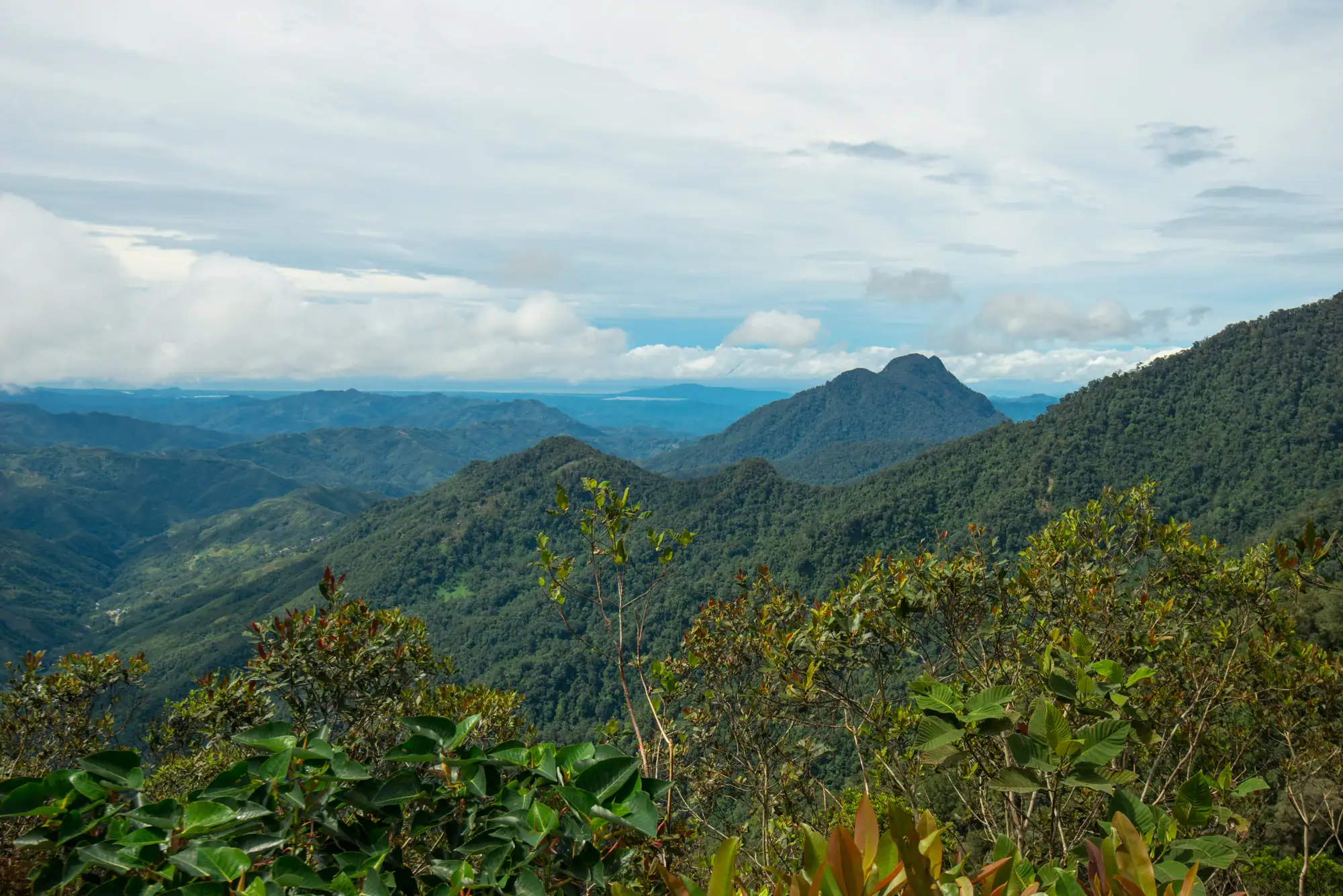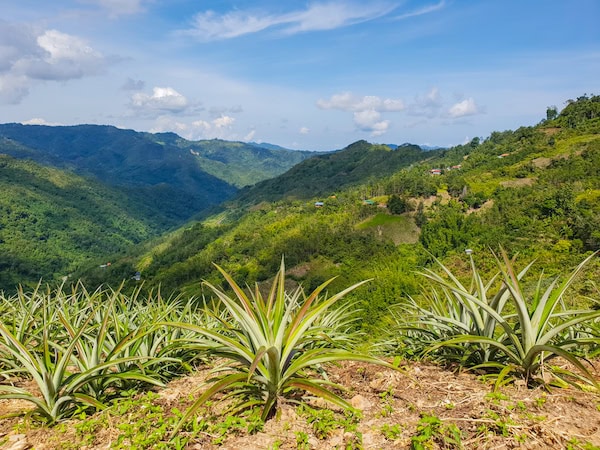
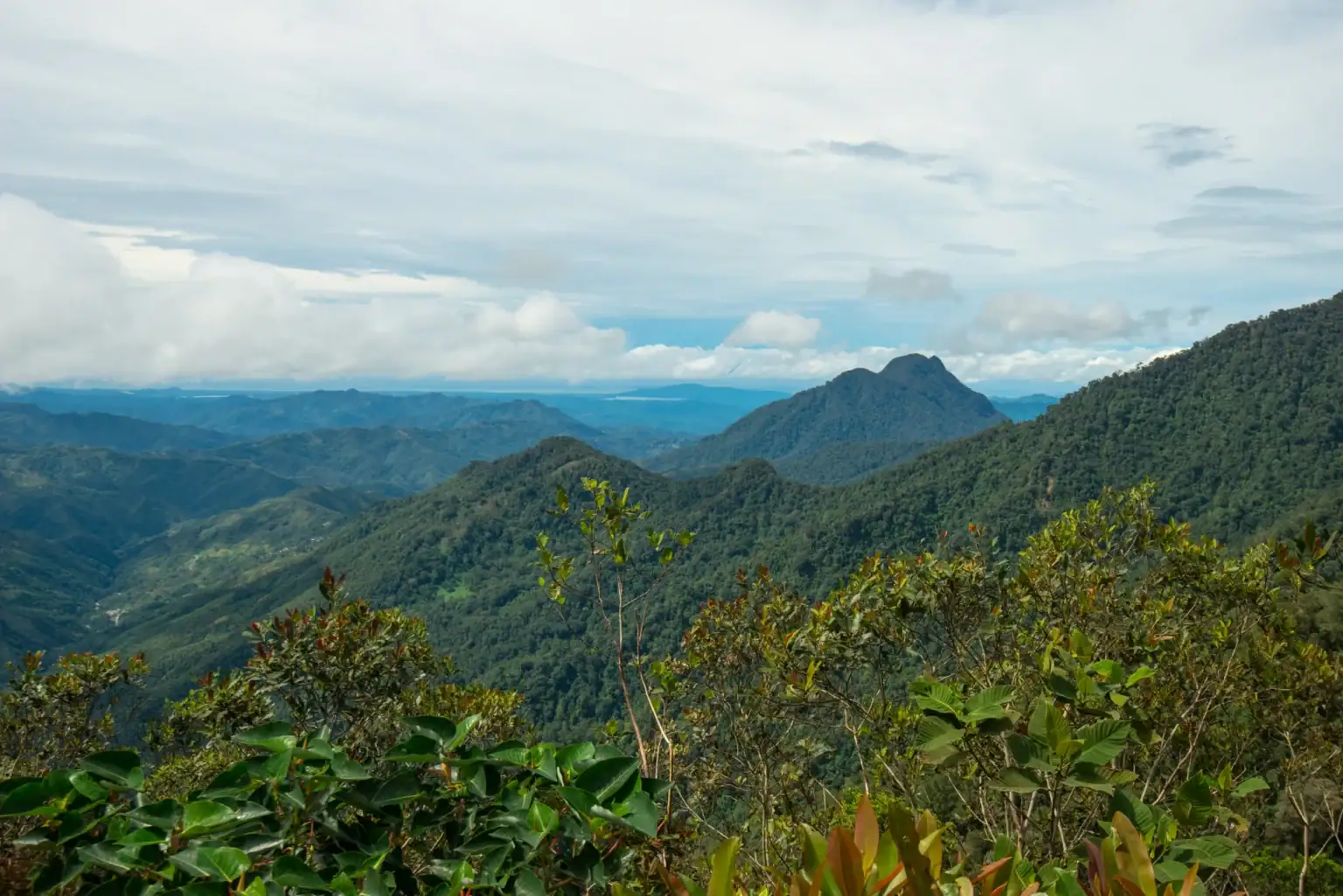
Kinabalu UNESCO Global Geopark is one of Sabah’s most diverse mountain landscapes, combining dramatic geology, rainforest, highland scenery and traditional communities around Mount Kinabalu.
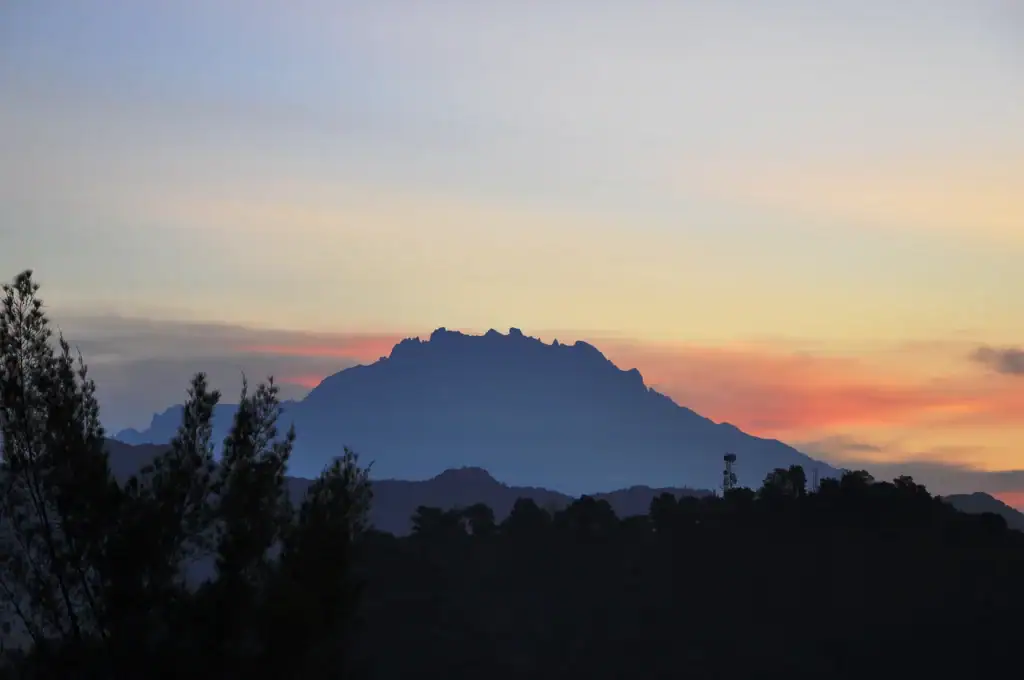
The Geopark covers 4,750 km² across Kota Belud, Kota Marudu and Ranau, with Mount Kinabalu at its centre. The landscape ranges from tropical lowland forest and mountain villages to the granite slopes of Mount Kinabalu, while the area is also home to important geological features, endemic wildlife and a rich Dusun cultural heritage.
For visitors, Kinabalu Geopark offers the opportunity to explore Sabah’s mountains without necessarily committing to a Mount Kinabalu summit climb. Jungle trekking, village visits, local food and spectacular views of Mount Kinabalu make it a particularly good choice for travellers looking for a more active and off-the-beaten-track experience.
Things to do in Kinabalu Geopark
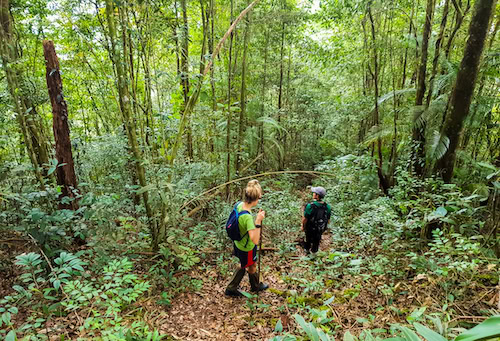
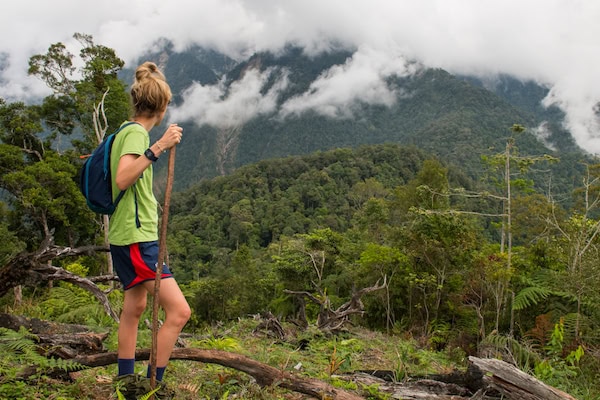
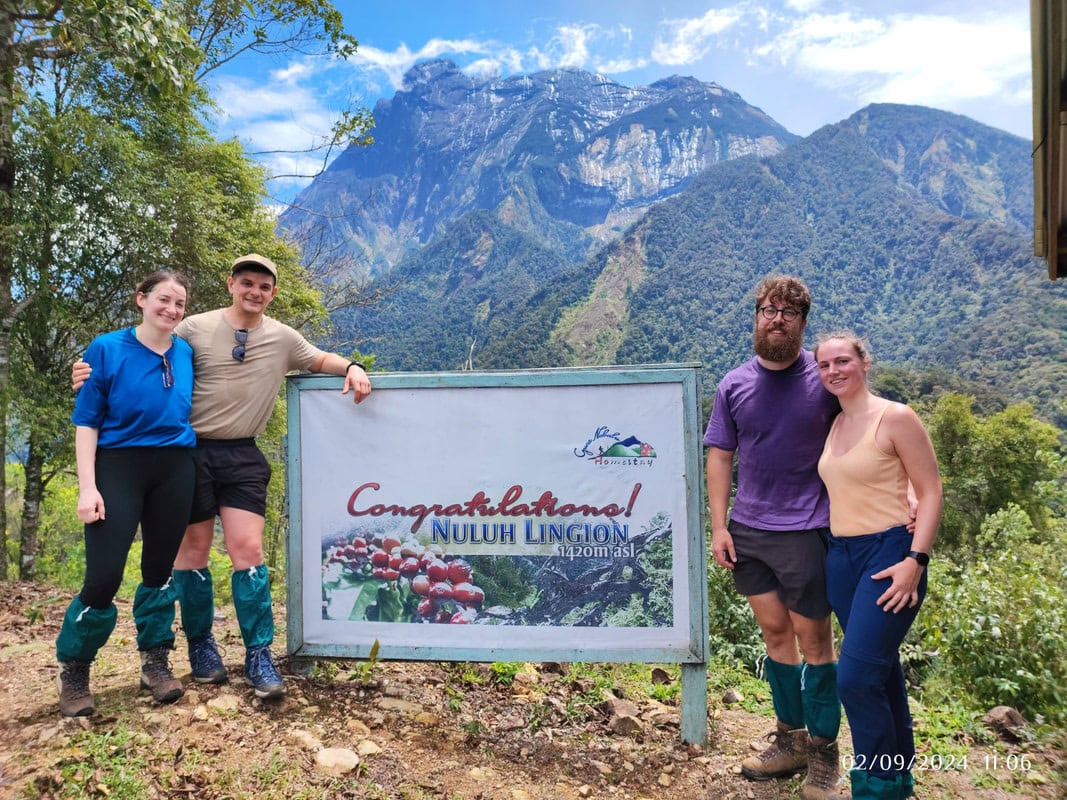
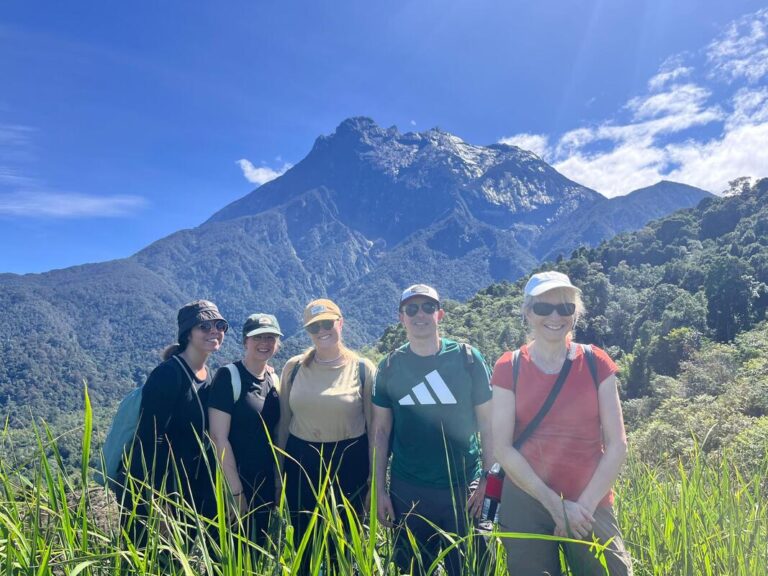
One of the best ways to experience the Geopark is through trekking around Kiau Village, in the foothills of Mount Kinabalu. Trails lead through forest and local farms to viewpoints overlooking the mountain, with routes suitable for moderately fit travellers.
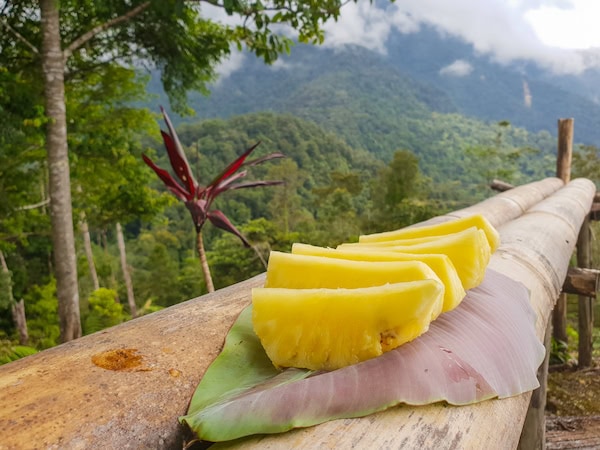
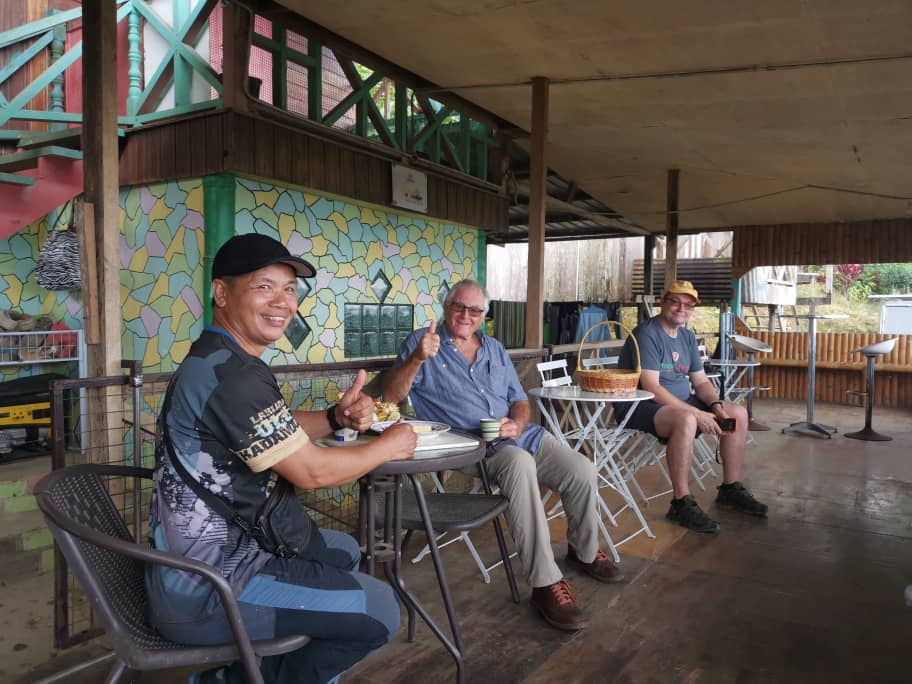
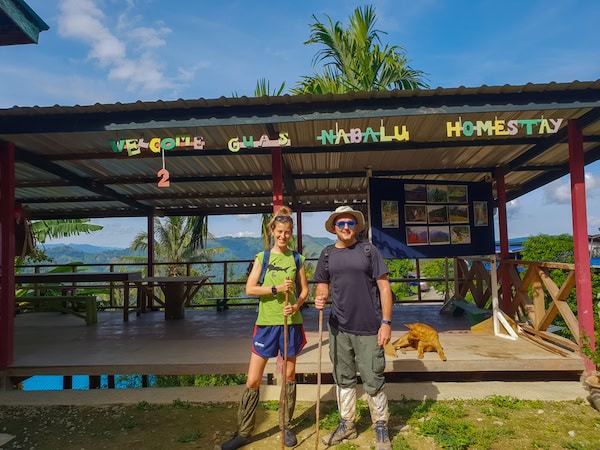
A visit to Kiau can also include a Dusun homestay experience, giving visitors the opportunity to sample traditional food and experience village life.
Other highlights within and around the Geopark include Kinabalu Park, Mount Kinabalu and Poring Hot Springs. Kinabalu Park is a UNESCO World Heritage Site known for its exceptional biodiversity, while Poring offers hot sulphur springs, forest trails and access to waterfalls and other attractions.
Where to stay?
Accommodation depends on how you want to experience Kinabalu Geopark.
For the Kiau trekking experience, a village homestay provides simple accommodation and an opportunity to experience local Dusun hospitality. For a more conventional stay, there are a range of accommodation options around Kinabalu Park, Kundasang and Poring, from basic rooms to more comfortable lodges.
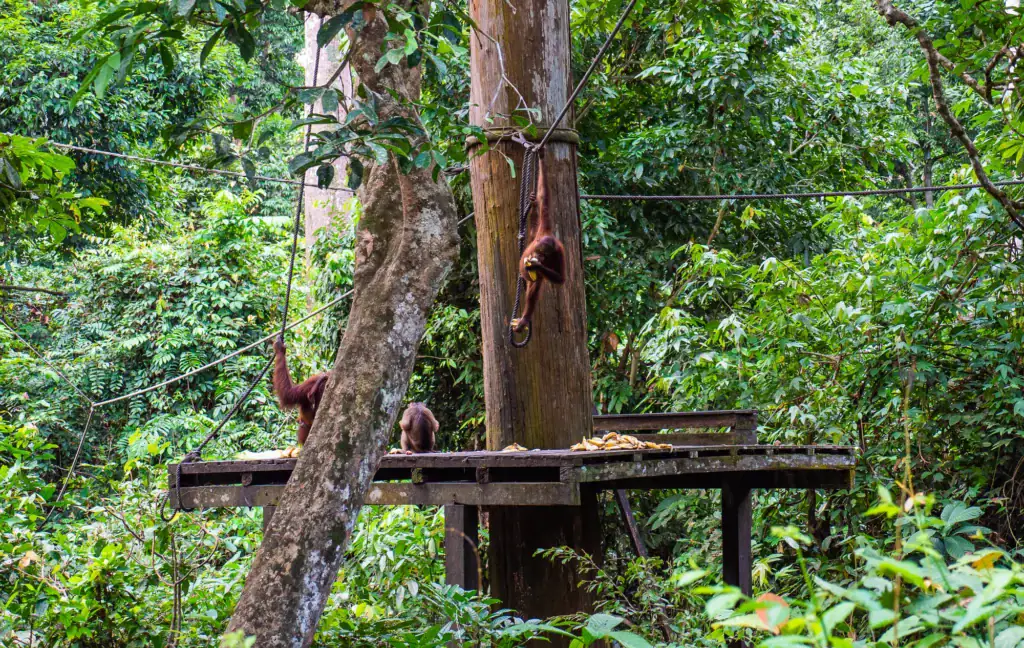
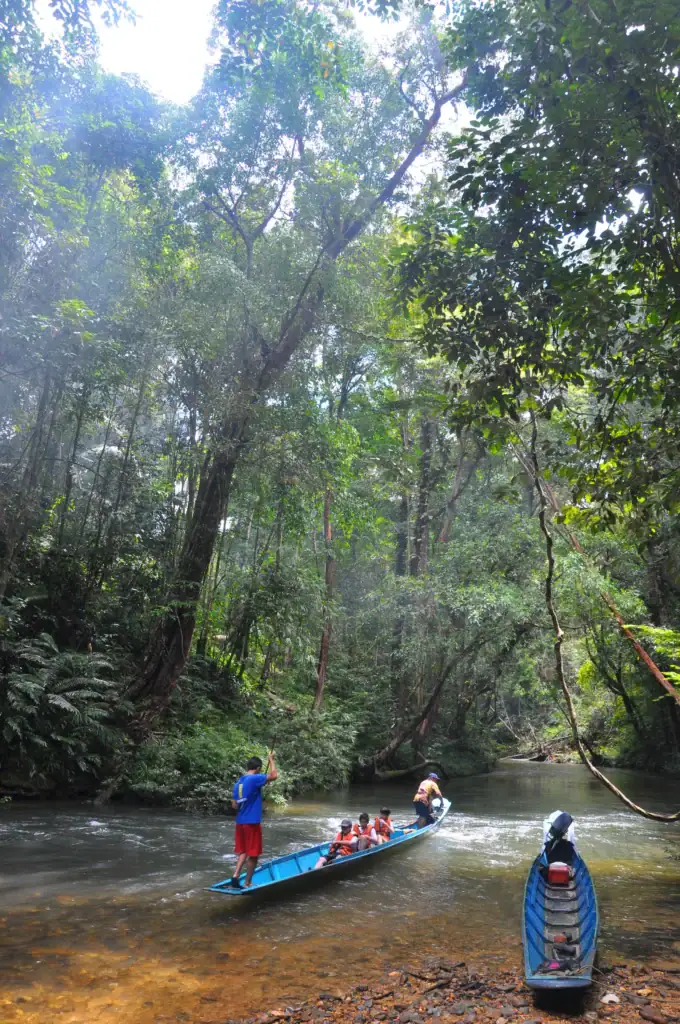
Kinabalu Geopark also works well as a stopover between Kota Kinabalu and Sabah’s east coast, particularly when combined with Sepilok and the Kinabatangan River.
How long should you stay?
A 1-day Kinabalu Geopark trekking trip is enough to experience the Kiau trails and mountain scenery.
For a more immersive experience, a 2D1N stay with a Kiau village homestay allows more time for trekking and an evening with a local Dusun host. We can also incorporate Kinabalu Geopark into longer Sabah itineraries that include Kinabalu Park, Poring, Sepilok and the Kinabatangan River.
Who is Kinabalu Geopark recommended for?
Kinabalu Geopark is particularly suited to hikers, nature lovers, photographers, families and travellers interested in local culture.
It is a good alternative for visitors who want to experience the Mount Kinabalu landscape but do not necessarily want to climb to the summit. The Kiau trekking experience is also a good choice for travellers looking to get away from the more established tourist routes and experience Sabah’s countryside and Dusun communities.
Planning your trip to Kinabalu Geopark
Kinabalu Geopark is particularly easy to combine with other Sabah destinations. A popular route is to travel from Kota Kinabalu through Kinabalu Geopark and Poring to Sepilok and the Kinabatangan River, combining mountain scenery and local culture with some of Sabah’s best wildlife experiences. River Junkie’s Sabah Highlights itinerary follows this route.
If you are interested in climbing Mount Kinabalu, the Geopark can also be combined with a Mount Kinabalu summit climb and a night or two around Kinabalu Park or Poring.
For travellers with limited time, River Junkie offers Kinabalu Geopark trekking from Kota Kinabalu, while longer itineraries can combine the Geopark with Sabah’s wildlife and adventure destinations.