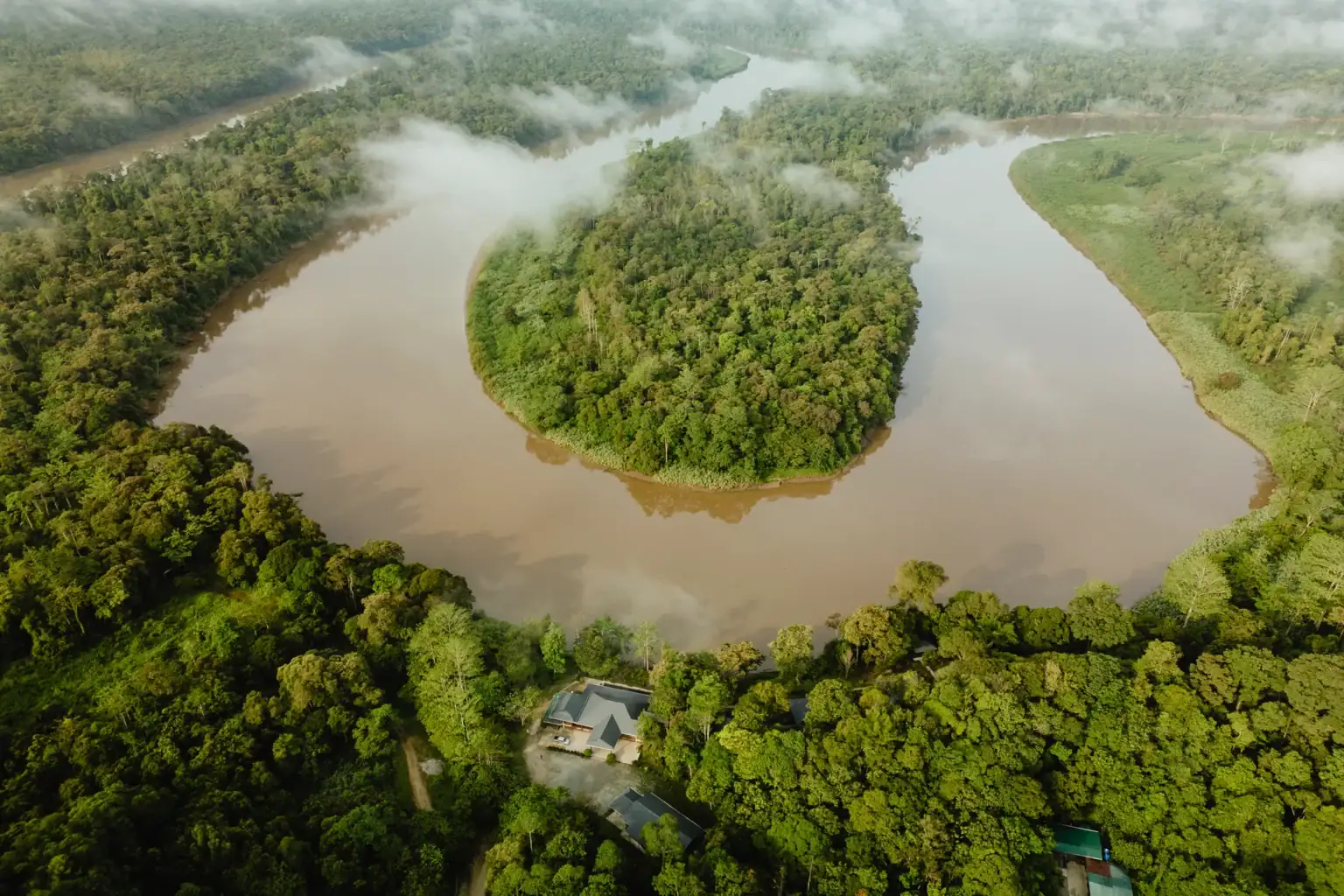
Why visit the Kinabatangan River?
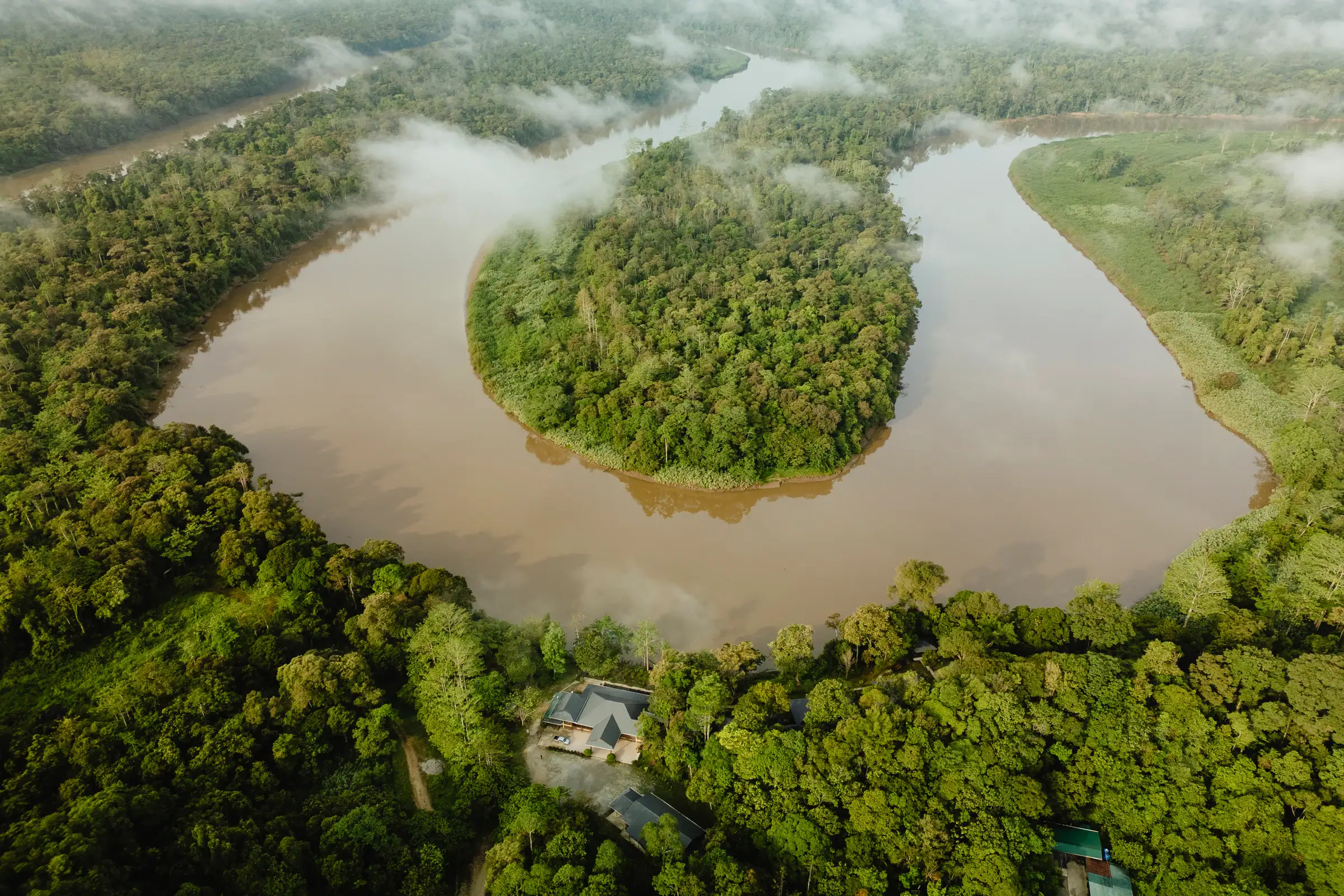
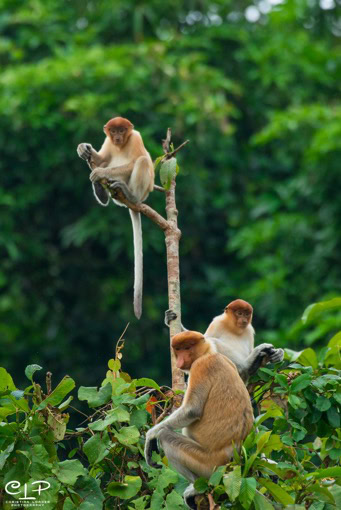
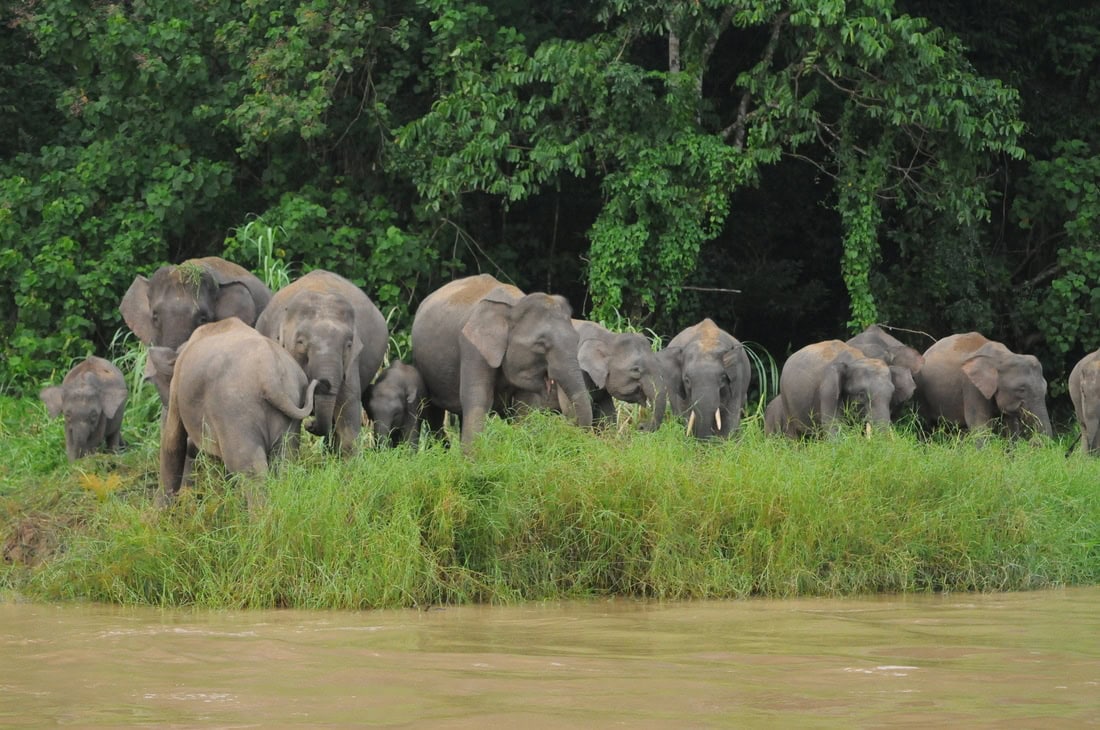
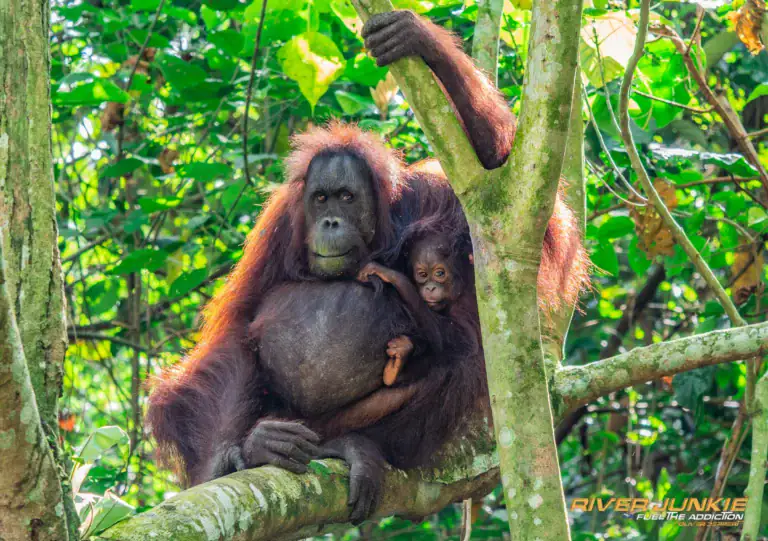
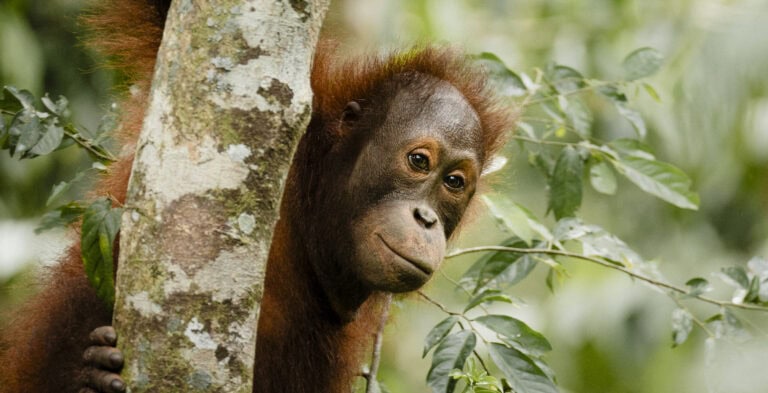
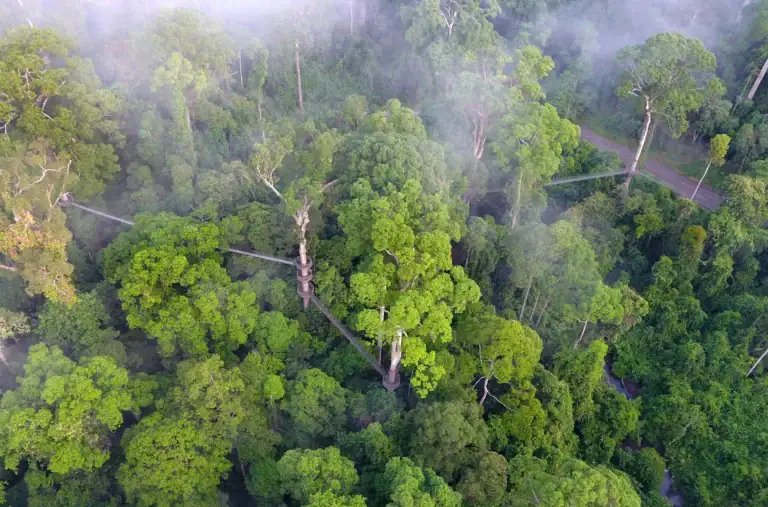
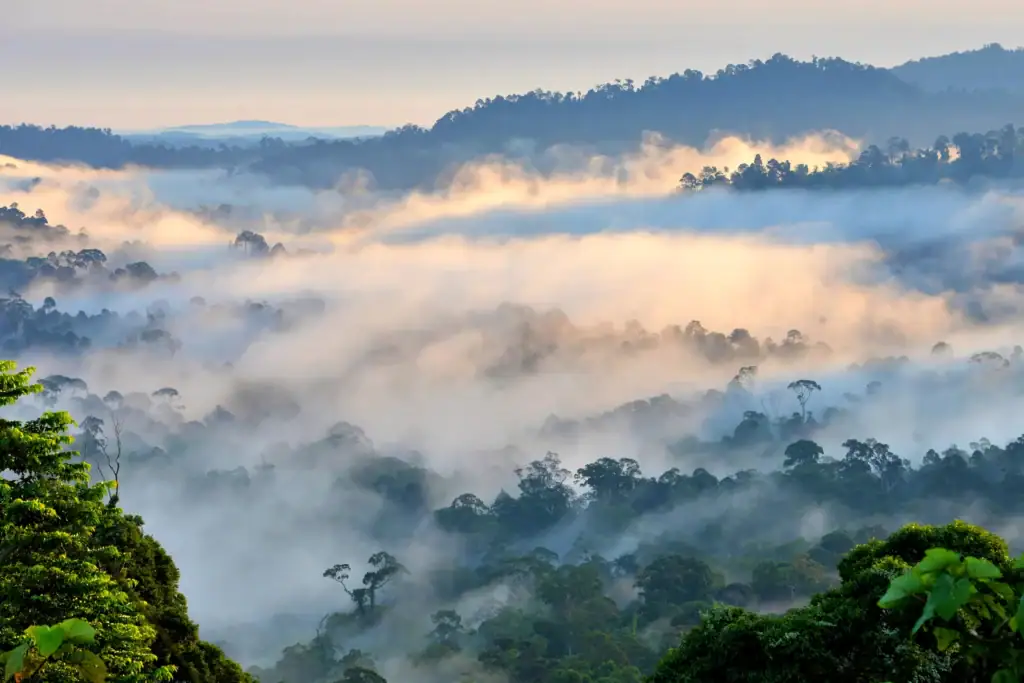
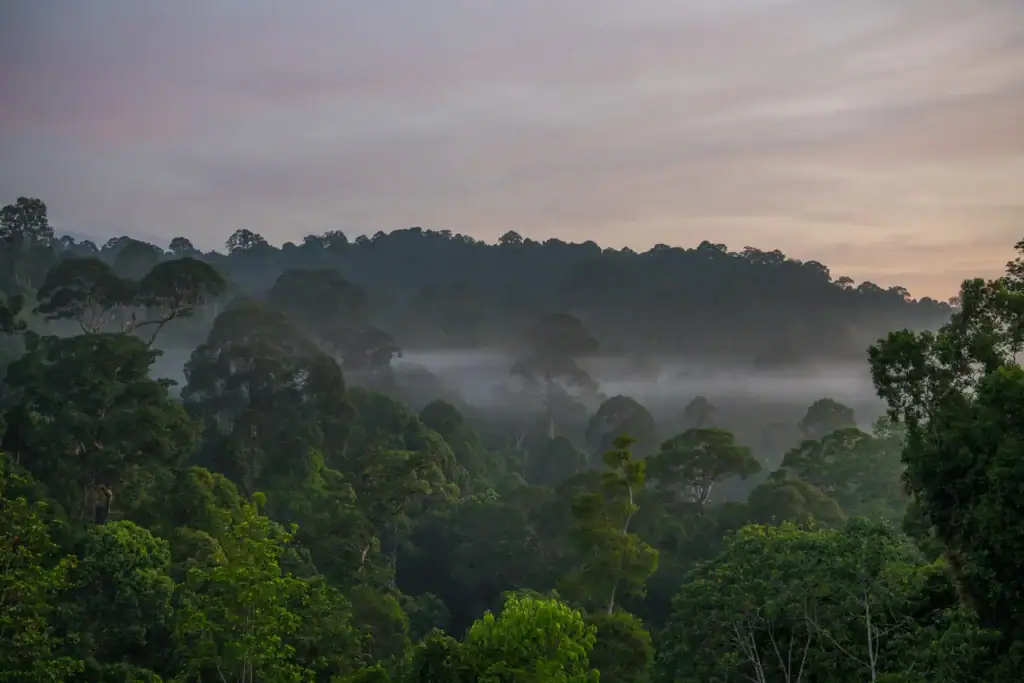
The Kinabatangan River is one of the best and most accessible places in Borneo to experience wild rainforest and see some of Sabah’s most iconic wildlife. The river and surrounding forests support an extraordinary concentration of wildlife, including wild orangutans, proboscis monkeys, Bornean pygmy elephants, macaques, langurs, crocodiles and eight species of hornbill.
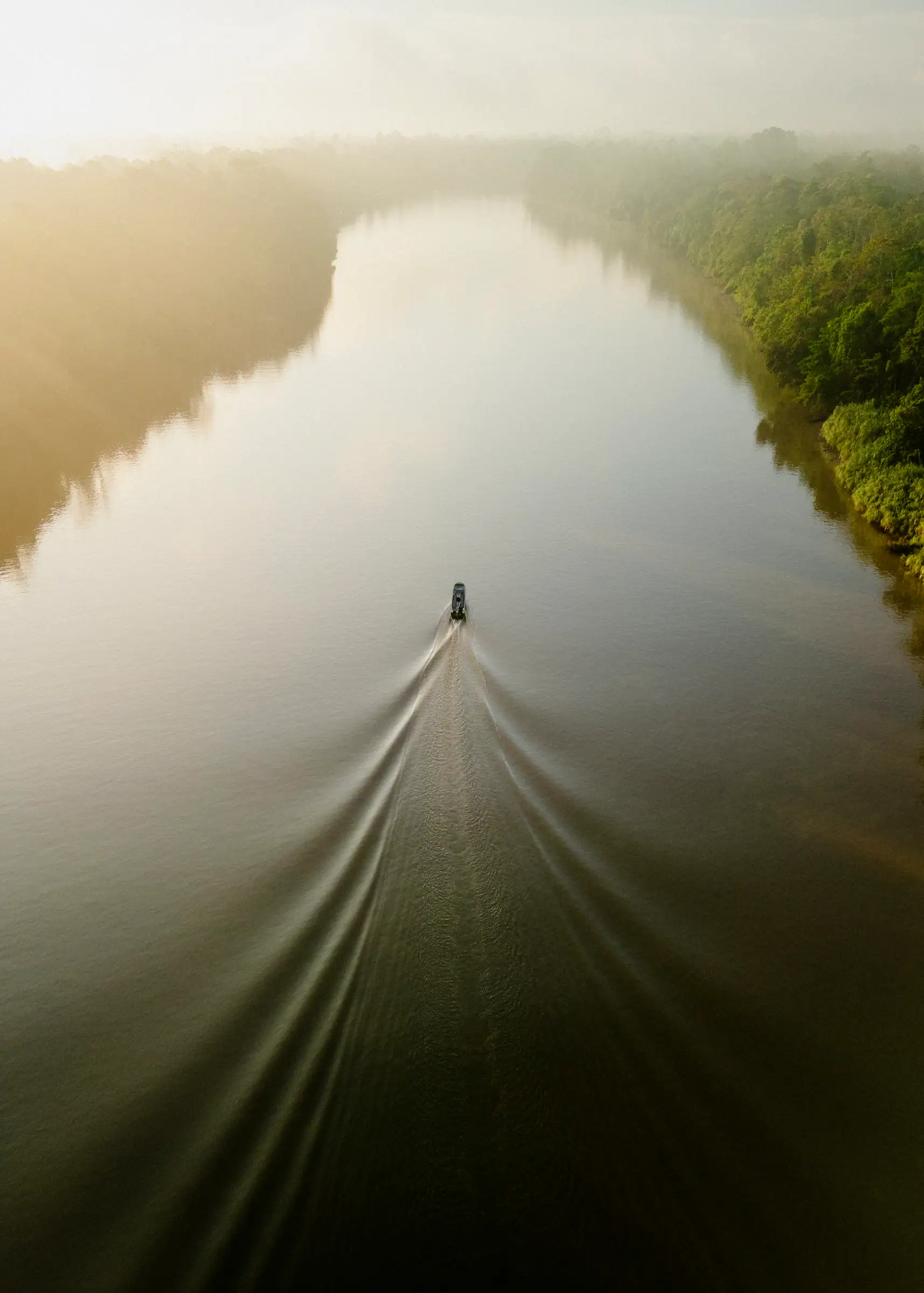
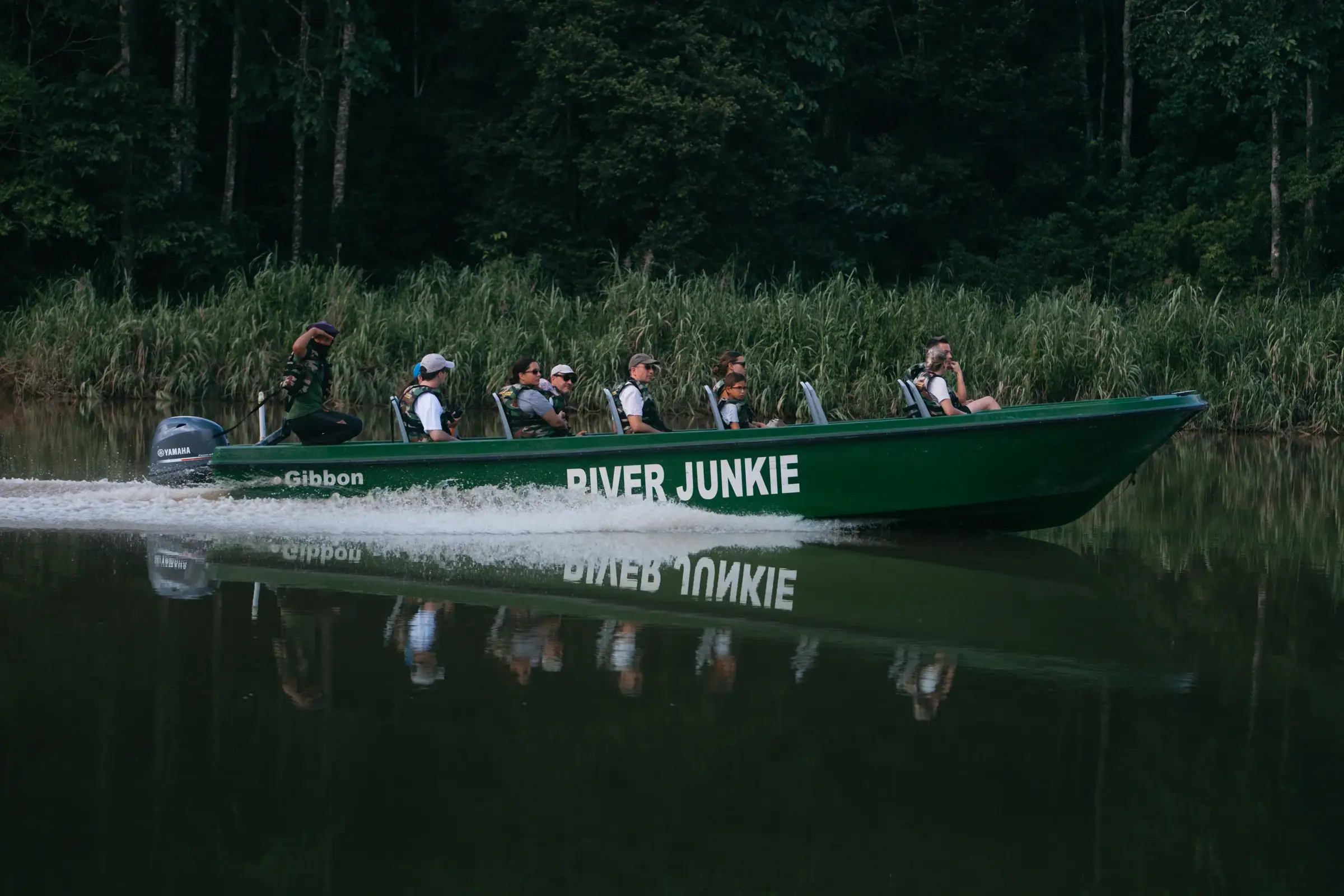
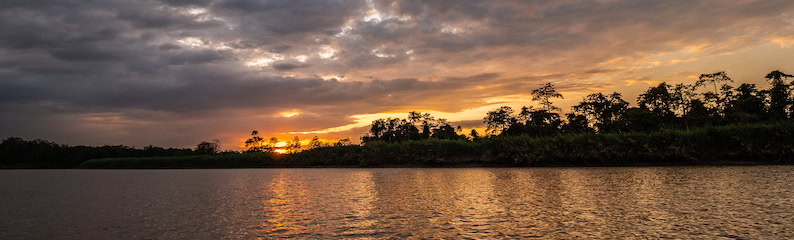
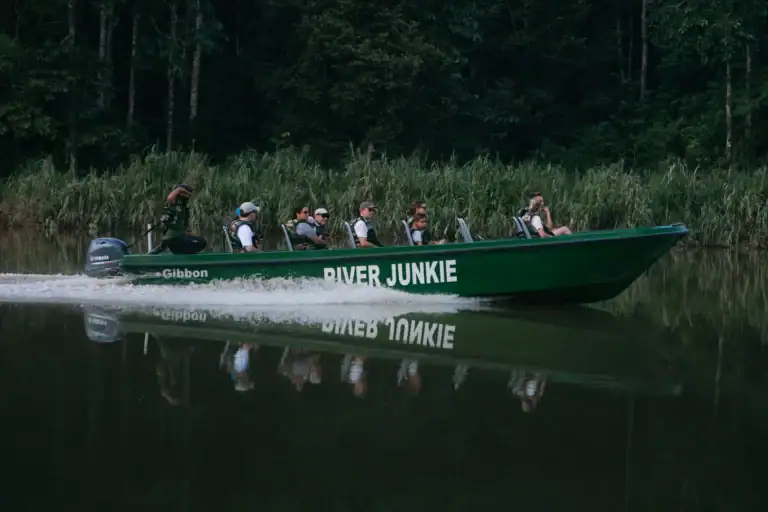
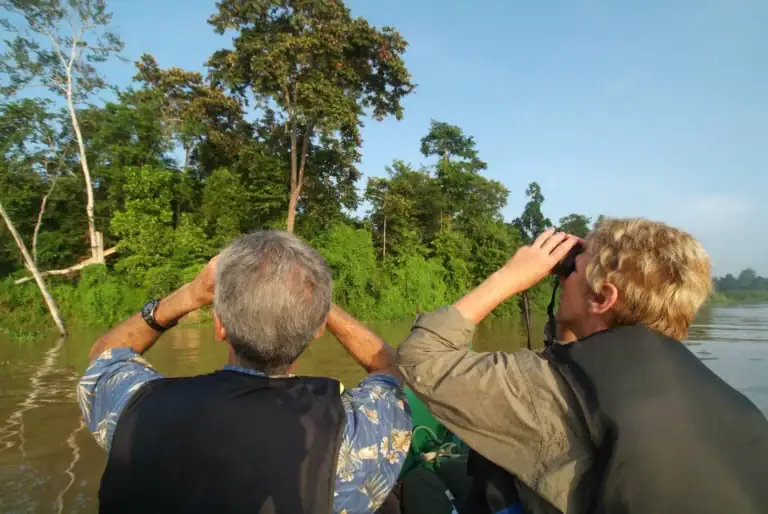
Much of the wildlife viewing takes place from boats, with sunrise and sunset cruises along the river and its tributaries. Experienced local nature guides help you find animals hidden among the trees, while jungle walks and night activities offer a different perspective of the rainforest.
The Kinabatangan is also easy to incorporate into a Sabah itinerary. From Sandakan Airport, it takes around two hours to reach most riverside lodges, making it ideal to combine with nearby Sepilok and other wildlife destinations.
Things to do at the Kinabatangan River
Wildlife river cruises
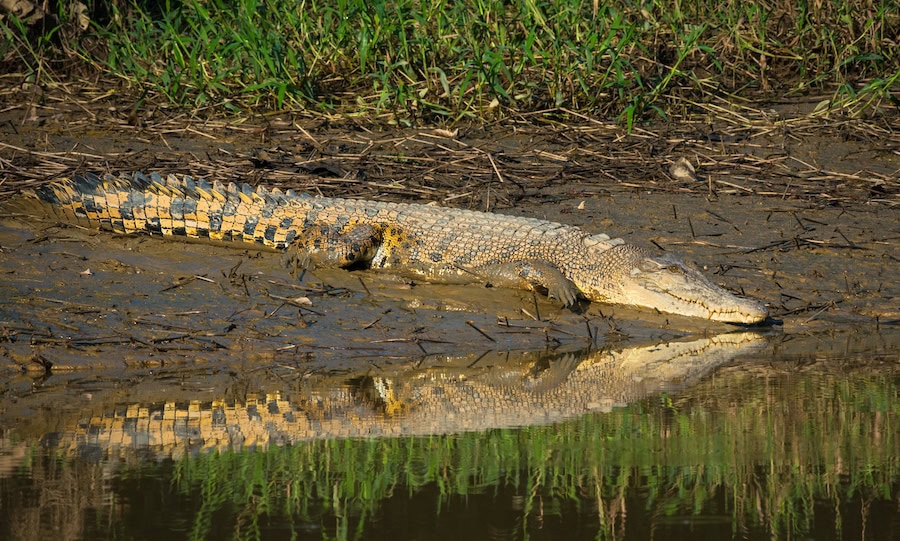
River cruises are the highlight of any Kinabatangan safari. Early morning and late afternoon are the best times to be on the water, when wildlife is most active. Look along the riverbanks and forest canopy for proboscis monkeys, orangutans, macaques, langurs, hornbills, kingfishers and other rainforest birds. Bornean pygmy elephants can sometimes be seen along the river, while crocodiles are often found resting on exposed sandbanks.
The Kinabatangan is particularly well known for its chances of seeing Borneo’s “Big Five”: orangutans, proboscis monkeys, Bornean pygmy elephants, crocodiles and rhinoceros hornbills.
Jungle walks
Guided jungle walks allow you to explore the rainforest on foot and look for smaller creatures that are easy to miss from a boat, including insects, reptiles, frogs and birds, as well as offering possible encounters with orang-utans, gibbons and more. Some lodges have actual jungle trails whilst others only offer short boardwalks, Hornbill Lodge is particularly good for jungle walks with near daily sightings of orang-utans during fruiting season.
Night walks and cruises
After dark, the forest comes alive with nocturnal wildlife. Night walks and cruises offer opportunities to see slow lorises, civets, owls, frogs, sleeping birds and other rainforest species.
Birdwatching
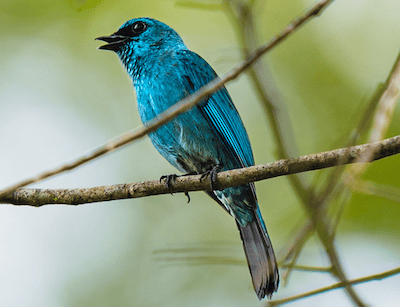
The Kinabatangan is an excellent destination for birdwatching, with eight species of hornbill recorded in the area alongside kingfishers, eagles, woodpeckers and many other rainforest birds.
Gomantong Forest Reserve
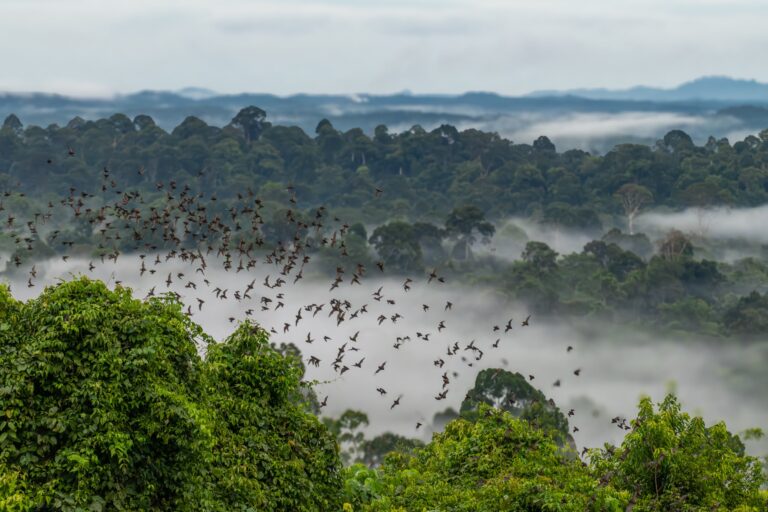
The Gomantong caves are home to millions of bats and are famous for the spectacular evening bat exodus, when huge numbers of bats emerge while bat hawks circle overhead. The forest reserve itself offers good chances of spotting orang-utans and red-leaf monkeys as well as hornbills and other birds.
Where to stay?
There are several accommodation options along the Kinabatangan, ranging from simple community-run eco camps to comfortable wildlife lodges.
Hornbill Lodge
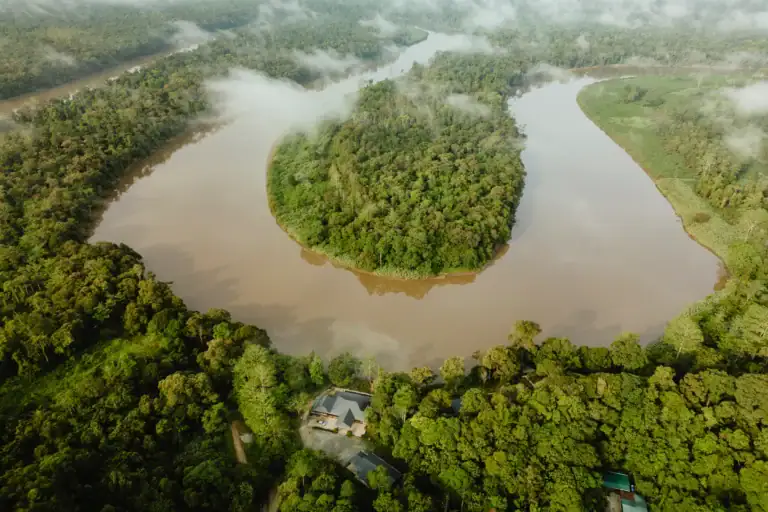
Hornbill Lodge is River Junkie’s own riverside wildlife lodge on the Lower Kinabatangan River. Located in a quiet section of the river between Bilit and Sukau, it provides a peaceful, low-density base for exploring the surrounding rainforest.
The lodge has 16 river-facing chalets and dormitories and is particularly suited to independent travellers, couples and families looking for a comfortable and intimate wildlife experience. River cruises, jungle walks and night activities are led by experienced local nature guides.
Hornbill Lodge also places a strong emphasis on responsible wildlife watching and sustainable hospitality, with initiatives focused on reducing environmental impact and supporting the surrounding ecosystem and community.
Other accommodation
Other options we work with include community-focused eco camps such as Tungog Rainforest Eco Camp and established properties such as Sukau Rainforest Lodge. Scroll down to see the tour options or get in touch to discuss which accommodation suits you best.
How long should I stay at the Kinabatangan River?
We recommend staying for at least 2 nights. A two-night stay gives you several opportunities for river cruises, including sunrise and sunset excursions, as well as a jungle walk and night activity. This is important because wildlife sightings are never guaranteed and different species are active at different times. For keen wildlife watchers and photographers, 3 nights is even better, giving you more time on the river and increasing your chances of encountering less predictable species such as orangutans and Bornean pygmy elephants.
Who is the Kinabatangan River recommended for?
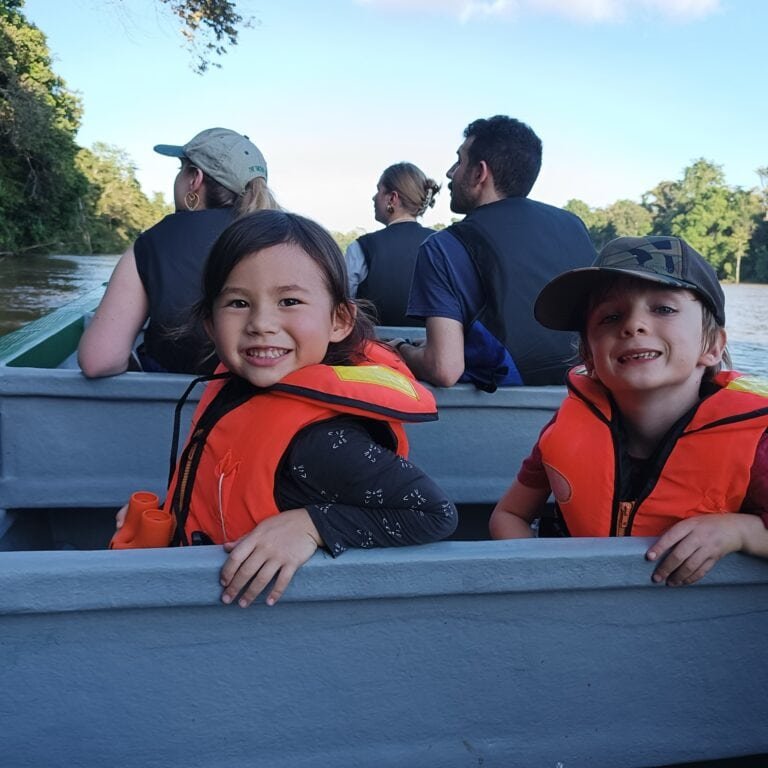
The Kinabatangan is suitable for almost anyone interested in wildlife and nature. Wildlife enthusiasts and photographers will find excellent opportunities to observe wild orangutans, proboscis monkeys, pygmy elephants, hornbills and other rainforest species. First-time visitors to Borneo will appreciate how accessible the Kinabatangan is and how much wildlife can potentially be seen without undertaking difficult jungle treks. Families can also enjoy the destination, as much of the wildlife viewing takes place from boats rather than on strenuous hikes.
Birdwatchers will find an impressive variety of rainforest species, including eight species of hornbill.
Planning your Sabah wildlife itinerary
The Kinabatangan River works particularly well as part of a wider Sabah wildlife itinerary. For a first visit, combining Sepilok and the Kinabatangan is an excellent introduction to Borneo’s wildlife. Sepilok is home to the Sepilok Orangutan Rehabilitation Centre, Bornean Sun Bear Conservation Centre and Rainforest Discovery Centre, while the Kinabatangan provides the opportunity to see wildlife in its natural rainforest habitat.
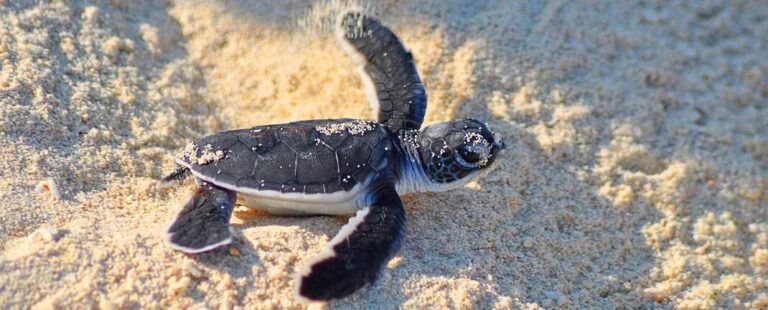
Gomantong Caves can also be added on the way back to Sandakan, or as an afternoon trip from the lodge for visitors interested in seeing the spectacular evening bat exodus. Turtle Island is another popular addition, offering the chance to see green and hawksbill turtles coming ashore to lay their eggs.
For travellers with more time, the Kinabatangan can be combined with Danum Valley, Tabin Wildlife Reserve or Deramakot Forest Reserve. These destinations offer different rainforest habitats and wildlife experiences, from the extensive primary forest of Danum Valley to the remote night drives of Deramakot.
River Junkie can combine these destinations into a single Sabah wildlife itinerary, with accommodation, activities and transfers arranged between the different wildlife areas. Browse the trips below or contact us for a custom itinerary.