Nestled in Southeast Asia, Malaysian Borneo, also known as East Malaysia, is a captivating destination comprising the states of Sabah and Sarawak. Well known for its breathtaking natural beauty, indigenous cultures and an abundance of wildlife, Malaysian Borneo beckons adventurous travellers from around the world.
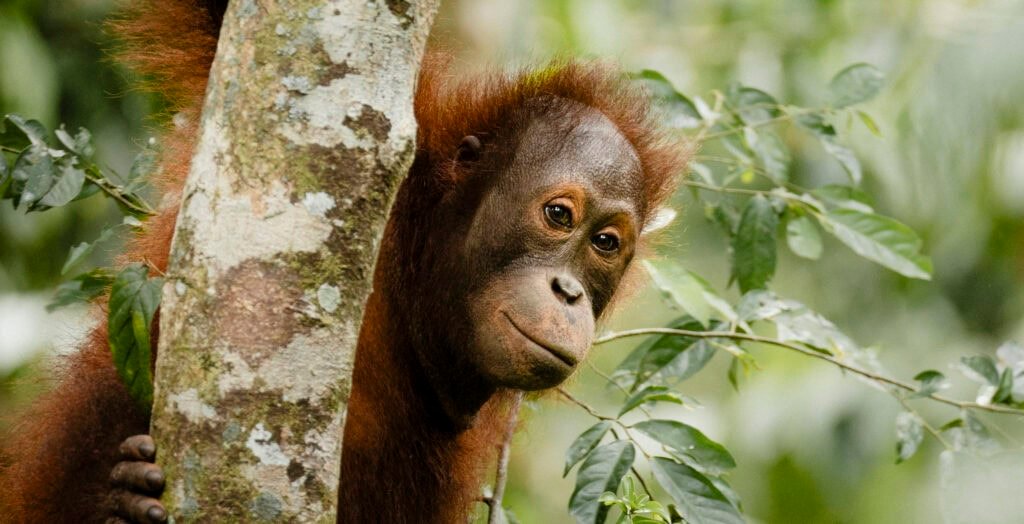
Scale Mount Kinabalu — Southeast Asia’s highest peak — trek through ancient jungles or explore traditional longhouses along winding rivers. Encounter rare species such as orangutans swinging through the treetops, dive into crystal-clear waters to discover vibrant coral reefs and delve into the rich cultural tapestry woven by various ethnic groups like the Iban and Kadazan-Dusun, each with their unique traditions and customs. Malaysian Borneo promises unforgettable experiences at every turn.
Getting here
To begin your journey to this part of the world, you will likely start by exploring the gateway cities before finally arriving in Malaysian Borneo. Kota Kinabalu International Airport, located in Sabah, serves as the main gateway to Borneo. Airlines such as Malaysia Airlines and AirAsia offer regular flights from major cities in Malaysia and other countries. The most direct routes are via Kuala Lumpur, Singapore or Hong Kong.
Once you have explored these gateway cities, it’s time to venture deeper into Malaysian Borneo. Your route will depend on your proposed tour itinerary. For example, if you are planning to start with a Kinabatangan River safari, you can take a direct flight from Kuala Lumpur to Sandakan, or if the first thing you would like to do is conquer Mount Kinabalu, then you can start in Kota Kinabalu. Plan your itinerary before booking your flights to minimise driving time between distant cities.
Travelling between and around Sabah & Sarawak
With its vast rainforests, mountain ranges and remote regions, it is essential to plan your travel arrangements in advance. The quickest and most convenient option for covering long distances within Sabah and Sarawak is air travel. If booked in advance, domestic flights can be relatively inexpensive, with carriers such as Malaysia Airlines, MASwings, AirAsia and Firefly. There are direct flights connecting Kota Kinabalu, Kuching, Mulu and Miri.
For shorter distances within cities or towns, taxis and ride-sharing services like Grab, the local equivalent of Uber, are available. Public buses offer a relatively comfortable and very affordable means of travelling between towns. Easybook.com and RedBus allow you to prebook bus tickets for travel in Malaysia, however not all routes may be available to book online. Tickets can usually also be booked at the bus station on the day you travel, but buses may sometimes be full, especially if you are travelling on or near a public holiday.
Shared minivans are another common mode of transport for trips between rural areas but may be less reliable due to irregular schedules — minivans typically leave when they are full rather than at a set time and can make for a cramped ride.
Renting a car or motorcycle can provide flexibility when exploring Borneo independently; however, be cautious when driving as road conditions can vary considerably across the island. If you are booked on to any tours, especially on the east coast, you are likely to have to leave your rented vehicle unattended for several days.
If you are travelling on a tight schedule between remote lodges or areas, then the best option is to request a private or shared transfer from your tour operator to make sure you reach your next destination on time.
Sabah’s west coast
Kota Kinabalu
Kota Kinabalu, the capital of Sabah, is a popular starting point for many travellers and serves as a gateway to Borneo’s stunning landscapes. This vibrant city offers a perfect blend of modernity and traditional charm. Explore its waterfront promenade, bustling Sunday market, sample delectable food, or take a quick boat ride over to the islands just off the capital’s coast.
Day trips from Kota Kinabalu — Kota Kinabalu offers a variety of day trips including river rafting suitable for ages 4 and above at the gentle Kiulu river and adrenaline-filled white water rafting at the Padas river. Delve into Sabah’s rich tribal history at Mari Mari Cultural Village, or join a trek around Kinabalu Geopark to learn more about the local Dusun communities surrounding the mountain. Ocean enthusiasts can snorkel and dive at the islands in Tunku Abdul Rahman Marine Park, just 15 minutes from the city by boat.
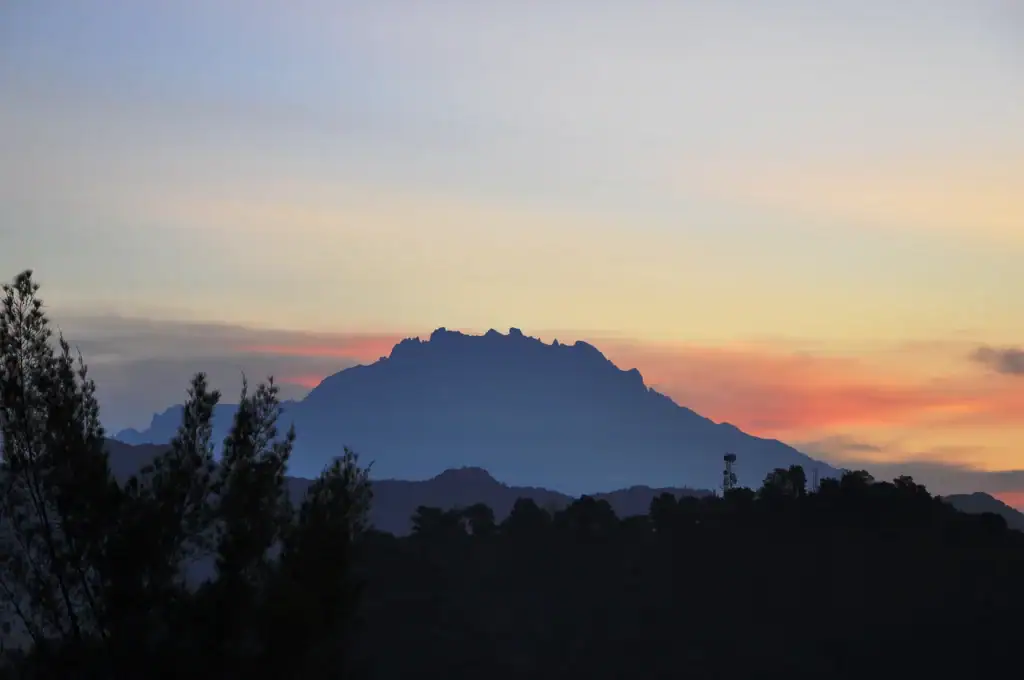
Mount Kinabalu — Thousands of people come to Kota Kinabalu annually to join a Mount Kinabalu summit climb and watch sunrise from the highest point between New Guinea and the Himalayas. This challenging 2D1N hike in one of Malaysia’s first national parks is open to everyone with a decent fitness level; no prior climbing experience is required. Even if you don’t fancy hiking, Kinabalu National Park and Poring hot springs are well worth visiting and are two of the stops included in our West to East shuttle.
Kota Kinabalu is also the starting point for adventures into Sabah’s remote interior region, including Mount Trus Madi, Orou Sapulot and Maliau Basin. Once you are ready to move on, domestic flights from Kota Kinabalu International Airport are the fastest way to reach the east coast of Sabah (Sandakan, Lahad Datu and Tawau), or you can join our West to East shuttle from Kota Kinabalu to Sandakan, stopping at Mount Kinabalu, Poring hot springs and Sabah Tea Plantation on the way.
Interior Sabah
By far the wildest and most untouched part of Sabah, this is for the true adventurers. Expect basic jungle camps, challenging terrain and a warm local welcome on any trip into the interior of Sabah. These destinations all take 4 or more hours to reach from Kota Kinabalu but are well worth the effort.
Maliau Basin — Otherwise known as Sabah’s Lost World, Maliau Basin was first discovered during the late 1940s when a British pilot narrowly missed a precipitous cliff while making a pass through low-lying cloud. The 25-kilometre-wide bowl and sunken jungle growing within the colossal basin would eventually come to be known as Sabah’s Lost World. After several failed attempts, it wasn’t until the 1980s that a team actually managed to penetrate the jungle into Maliau Basin and discovered a self-contained ecosystem that had never been inhabited by humankind, rich in biodiversity, with some of the tallest tropical trees in the world.
Sapulot and Batu Punggul — Not far from the Kalimantan border, Batu Punggul is a jungle-topped limestone outcrop riddled with caves, towering nearly 200m above Sungai Sapulot. This is deep in Murut country and the stone formation was one of several sites sacred to these people. Batu Punggul and the adjacent Batu Tinahas are traditionally believed to be longhouses that gradually transformed into stone. The view from the upper reaches of Batu Punggul may be the best in Sabah — in every direction is deep jungle, knifelike limestone outcrops and, if you are lucky, swinging orangutans. Few tourists visit this area, but the ones that do will leave with a lasting impression of this amazing place.
Mount Trus Madi — About 20km southeast of Tambunan town is the dramatic Mount Trus Madi, Sabah’s second-highest peak, rising to 2,642m, and one of the best places in Malaysia to watch the sunrise. The climb is more challenging than Mount Kinabalu, but the reward of a sunrise with Mount Kinabalu in the distance is well worth it. Forested from start to finish, you also get the opportunity to learn about Sabah’s incredible flora and fauna, mainly birds, reptiles and amphibians.
Sabah’s east coast
Sandakan
Sandakan is the main starting point for river cruise safaris in the Kinabatangan floodplains as well as tours to Turtle Island and Lankayan. The city offers an intriguing glimpse into Borneo’s history — take a walk on the Sandakan Heritage Trail, explore historic landmarks like Agnes Keith House, visit the Sandakan War Memorial, or embark on a wildlife adventure to witness orangutans at Sepilok Orangutan Rehabilitation Centre. Whilst it is possible to fly to Sandakan and leave on a wildlife tour on the same day, we recommend allowing 1 or 2 nights around Sepilok and Sandakan first.
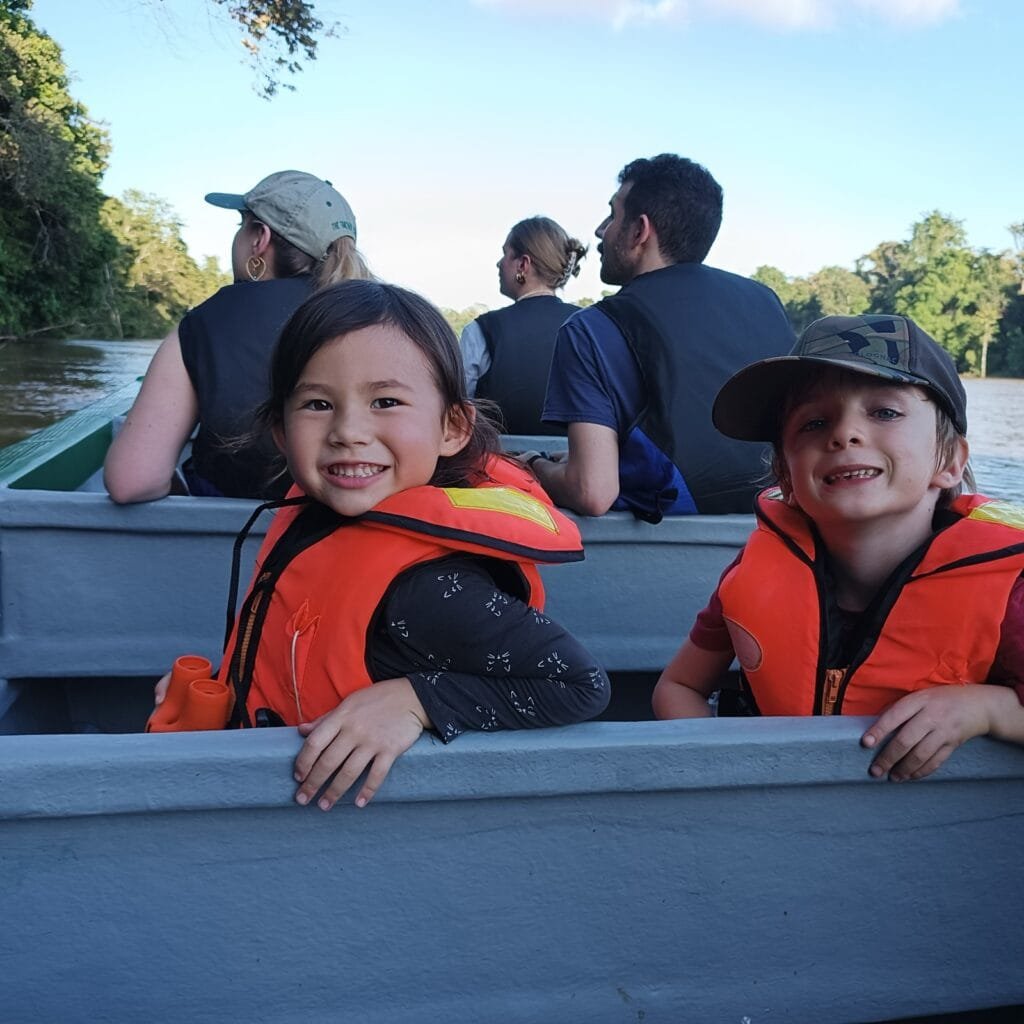
The Kinabatangan river — Widely considered one of the best places to see true wildlife in Southeast Asia, with some places offering a money-back guarantee if you fail to see proboscis monkeys. At times you also get large herds of up to 100 pygmy elephants, regular orangutan sightings, saltwater crocodiles of up to 4 metres, large troops of long-tailed and pig-tailed macaques and birds galore. There are numerous accommodation options at the Kinabatangan river, making it suitable for most budgets.
Sepilok — A visit to the world’s most famous place to see orangutans in their natural habitat just became even more compelling thanks to the addition of an outdoor nursery for youngsters in the same complex, and the nearby, excellent Sun Bear Conservation Centre. For those who have time, the nearby Rainforest Discovery Centre is also well worth a visit and is home to Malaysia’s longest canopy walk. Orangutan feeding times: 10am & 3pm (closed at lunchtime). Sun Bear Conservation Centre: open daily 9am till 3.30pm.
Gomantong caves — Imagine a massive crack in a mountain, a cathedral-like inner chamber shot with splinters of sunlight and swarming with cockroaches and scorpions, and you have the Gomantong Caves. Yes, the smell is disgusting thanks to the ubiquity of bat guano, but these caves are magnificent. The forested area around the caves conceals plenty of wildlife — travellers are regularly able to spot orangutans here. Best visited in combination with a Kinabatangan river tour or on your way to or from the river.
Turtle Island parks — Just off the coast of Sandakan you have Turtle Island, officially called Selingan Island. With sightings of nesting turtles and turtle hatchlings almost guaranteed year-round, Selingan Island is a hit with visitors of all ages. An overnight stay is required to see baby turtles hatching and female turtles nesting. The best time to visit is April to October; the sea can be rougher from November to January, but whenever you go, you are sure to have a magical experience.
Deramakot Forest Reserve — Access into Deramakot is via the small town of Telupid, which can be reached in just over 4 hours from Kota Kinabalu or 2.5 hours from Sandakan. The main draw for visitors to Deramakot is the possibility of spotting the elusive Sunda clouded leopard, but orangutans, gibbons, pygmy elephants, leopard cats, civets and more can be found in this huge forest reserve. Tours to Deramakot start from 3D2N and include 7 hours of wildlife drives per full day, with dusk, dawn and night being the favoured times for wildlife spotting.
Lahad Datu
Lahad Datu serves as the entry point to Danum Valley Conservation Area, a pristine rainforest home to diverse flora and fauna. Tabin Wildlife Reserve is another must-visit destination near Lahad Datu. Both protected areas offer opportunities to observe orangutans, pygmy elephants and gibbons in their natural habitat. The town itself has very little to offer visitors, so we recommend planning your trip to minimise time spent in Lahad Datu town. Lahad Datu can be reached via multiple daily flights from Kota Kinabalu operated by MASwings, or by travelling overland from Sandakan (3.5 hours), the Kinabatangan (2 hours), Semporna (2.5 hours) or Tawau (3 hours).
Danum Valley — Flowing like a series of dark, mossy ripples over 440 sq km of central Sabah, the Danum Valley Conservation Area is like something out of a children’s storybook: the sheer spectrum of furry and scaled friends you find within its dipterocarp forest is mind-blowing — orangutan, tarsier, sambar deer, bearded pig, flying squirrel, king cobra, proboscis monkey, red-leaf monkey, gibbon and pygmy elephant, to name a few. There are only two accommodations in Danum Valley: jungle luxury at Borneo Rainforest Lodge, Sabah’s premier jungle accommodation, or basic rooms at Danum Valley Field Centre.
Tabin Wildlife Reserve — About an hour’s drive from Lahad Datu, this 1,205-sq-km reserve consists mainly of lowland dipterocarp forest with mangrove areas. Most of it is technically secondary forest, but that doesn’t seem to trouble the wildlife or visitors. The stars here are the primates — gibbons, red-leaf monkeys and macaques, plus a lot of orangutans. Rescued orangutans from Sepilok are released here, so you’ve got a pretty good chance of spotting some. Birdlife is particularly abundant, with a staggering 260 species recorded, including all eight of the hornbill family. Tabin has a number of mud volcanoes and salt licks where animals and birds gather for their precious minerals, and you can watch them, cameras poised, from viewing towers.
Tawau & Semporna
Most visitors to Semporna come for the fabulous diving and snorkelling that awaits at the islands off the coast, including Mabul, Kapalai, Sibuan, Mantabuan, Mataking and the world-famous Sipadan Island. Make sure to contact Scuba Junkie Sipadan well in advance to prebook your Sipadan permits, as there are limited spaces available each day.
There is no airport in Semporna, but there are daily direct flights from Kuala Lumpur, Kota Kinabalu and Sandakan to Tawau airport; from Tawau airport you can reach Semporna by taxi in around 75 minutes. If you are coming from the Kinabatangan river, Danum Valley or Tabin Wildlife Reserve, it is easier to travel overland to Semporna than fly, and we can assist with transfers if needed. We also offer complete Reefs & Rainforests adventures — have a look at our 10D9N Reefs & Rainforests itinerary for inspiration.
Sarawak
Kuching — Sarawak’s charming capital city is another gateway that should not be missed. Known as the “Cat City,” Kuching exudes a laid-back atmosphere and boasts a rich cultural heritage reflected in its well-preserved colonial architecture. Stroll along the picturesque waterfront, take in the views from Fort Margherita, visit the extensive Borneo Museum to learn about Borneo’s diverse indigenous cultures, and reward yourself with local cuisine along Carpenter Street. Within easy reach of Kuching you will find Semenggoh orangutan centre, the Fairy Caves, Bako National Park and the Sarawak Cultural Village — a minimum 3-night stay is recommended if you plan to visit a few of these places.
Mulu — Mulu National Park is renowned for its extensive cave system, a captivating destination that boasts the largest underground cave chamber in the world and a series of easily accessible show caves, each as impressive and unique as the next. The only way into Mulu is by MASwings flight from Kota Kinabalu or various cities in Sarawak; there is no overland option. Adventurous visitors can hike 10km out to Camp 5 to experience the thrill of climbing the Mulu Pinnacles or hike a section of the Head Hunter Trail.
Entry requirements into Malaysia
All international travellers entering Malaysia are required to complete the Malaysia Digital Arrival Card (MDAC) and submit it three (3) days prior to arrival via the Immigration Department’s website. A valid passport is mandatory for entry into the country, with a minimum validity of six months from the intended date of departure, along with a visa if applicable. Additionally, a passport is necessary when travelling between Peninsular Malaysia and the East Malaysian states of Sabah and Sarawak, as well as for interstate travel between Sabah and Sarawak.
For most nationalities, social or tourist visas can be obtained upon arrival at major entry points in Malaysia, typically allowing a stay of up to 90 days. However, it is advisable to check with the Malaysian embassy or consulate in your home country prior to travel, as certain nationalities may require a visa before arrival.
Health & safety
While there are no mandatory vaccinations for entry into the country, please consult a healthcare professional well in advance of your trip. They can provide guidance on vaccinations and medications specific to the region and your personal health, such as those for malaria or dengue fever. Obtaining comprehensive travel insurance that covers medical emergencies is strongly advised. While exploring East Malaysia’s diverse landscapes and wildlife, protect yourself from mosquito bites by using insect repellent and wearing long sleeves and pants, and practise good hygiene habits while travelling.
Some foreign countries have travel advisories in place that caution against travelling to the islands off the east coast of Sabah due to a historical dispute between the Philippines and Malaysia. In reality the situation is very safe and hundreds of people travel to and from the east coast every day; you may however wish to check whether the travel advisory affects your travel insurance to avoid any surprises.
Packing for Malaysian Borneo
Climate considerations: East Malaysia has a tropical climate with high humidity and rainfall throughout the year. Pack lightweight, breathable clothing made from natural fibres like cotton or quick-drying synthetics. Long-sleeved shirts and pants are recommended to protect against insects and the sun. A waterproof jacket or poncho is a must-have.
Insect repellent: Mosquitoes and other insects are prevalent in this region. Protect yourself with an effective insect repellent containing DEET.
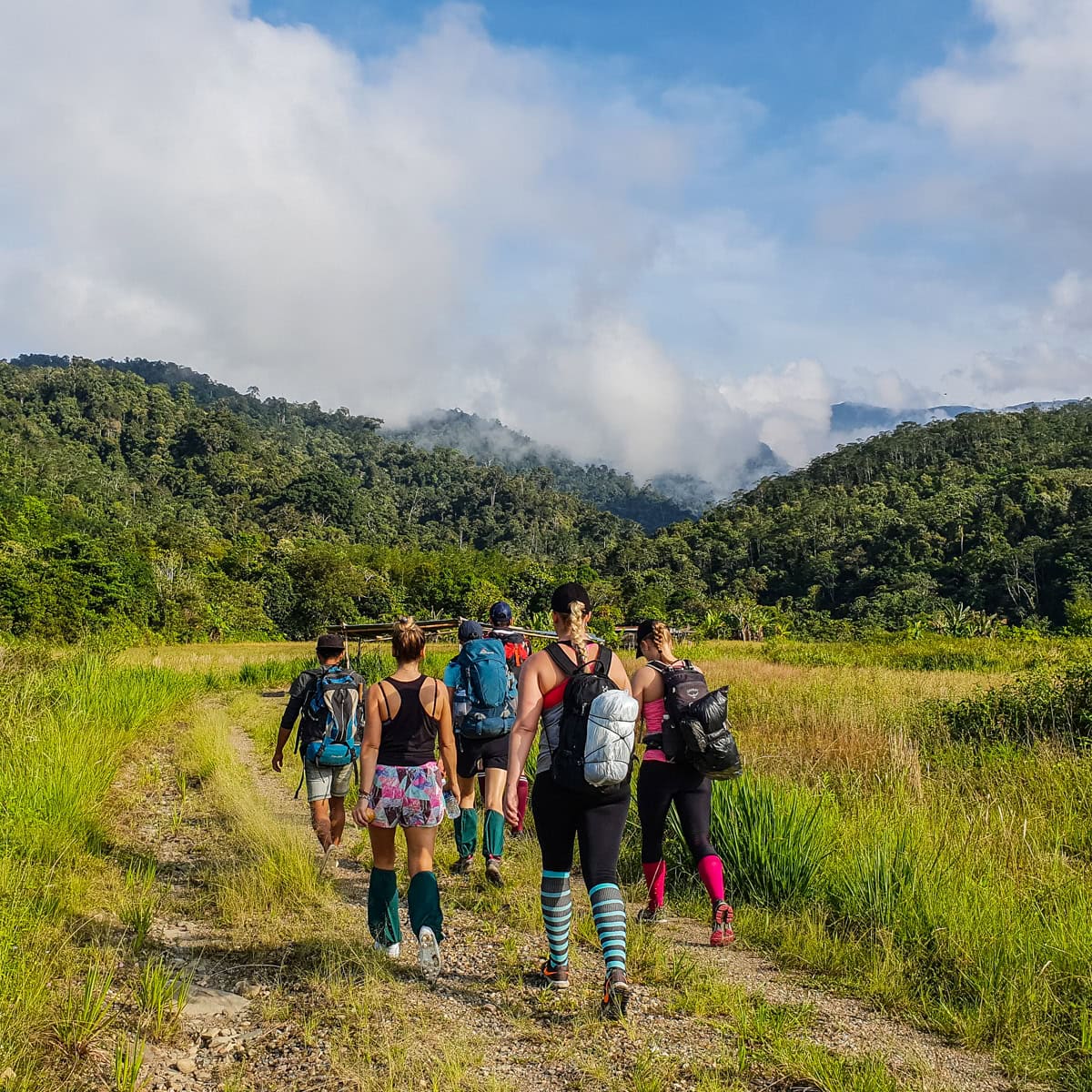
Outdoor gear: If you plan on exploring the jungles, national parks or climbing Mount Kinabalu, bring sturdy hiking shoes, quick-dry clothing, a hat, sunglasses, sunscreen, a reliable headlamp and a small backpack for day trips. Comfortable socks are equally important to prevent blisters.
Medications and first aid: Bring any necessary prescription medications along with a basic first aid kit including band-aids, antiseptic cream and pain relievers.
Travel documents: Carry your passport with at least six months’ validity remaining — this is also mandatory upon registration for Mount Kinabalu climbs.
Have questions about visiting Malaysian Borneo or want help planning your itinerary? Contact our team today and start planning your Borneo adventure with River Junkie!